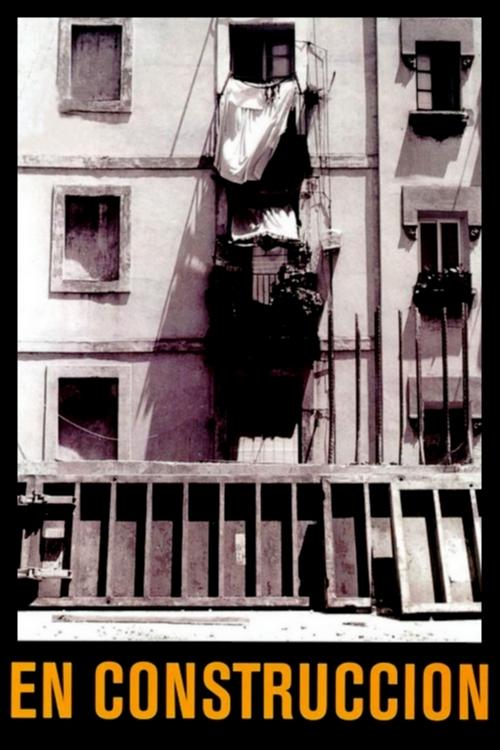
Work in Progress
2001
No user ratings available yet
Representation score: 5.0 out of 10
Representation Score
Fair
2000
Director
Ignacio Agüero
Runtime
77 minutes
Average Rating
No ratings yetNew Showbiz Analysis
Agüero’s documentary is a specialized essayistic study of urban sociology rather than a character-driven drama. Because the film prioritizes the relationship between memory and the built environment, it lacks the traditional character archetypes necessary to score highly in identity-based categories like gender or LGBTQ+ representation. However, the work is deeply impactful in its cultural critique. It deconstructs the idea of progress by framing rapid capitalist development as a systemic force of erasure. This intellectual approach provides a strong, albeit niche, form of cultural representation. Ultimately, the low overall score reflects a narrow thematic scope. The film is an investigation of architecture and neoliberalism rather than a diverse tapestry of human identities.
Category Breakdown
The film focuses on urban landscapes and architectural evolution. There is no discernible presence of LGBTQ+ characters or narratives that challenge the assumption that everyone is straight or cisgender.
The documentary lacks a traditional character-driven narrative. It does not provide a platform for exploring women's ability to drive the story or men's control over the story.
The narrative critiques how modernization erases organic community spaces. While it touches on the displacement of social strata, it lacks specific emphasis on multi-ethnic casting.
The film excels by challenging Western urban development through a postmodern lens. It frames capitalist modernization as a force that destroys historical memory and social cohesion.
The documentary does not feature neurodivergence, physical disability, or mental health conditions as central narrative elements. The focus remains strictly on memory and architecture.
Present on Screen
Limited or Absent
Official Synopsis
Agüero is able to look at the scene in all it's complexity around architectonical brutality that Santiago de Chile underwent around the year 2000.
2001

2000
2012
2010
2006

2011
2020

2015
No reviews yet. Be the first to share your thoughts on this movie!
Use the rating form above to leave a star rating and optional review.