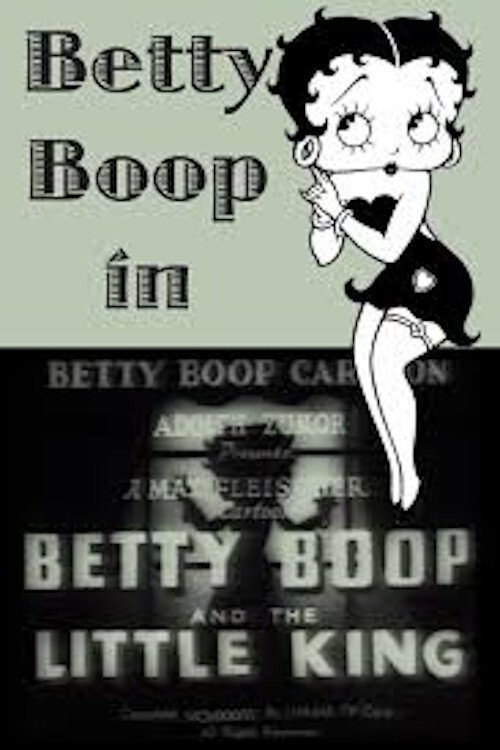
Betty Boop and the Little King
1936
No user ratings available yet
Representation score: 2.1 out of 10
Representation Score
Minimal
1934
Director
Dave Fleischer
Runtime
7 minutes
Average Rating
No ratings yetNew Showbiz Analysis
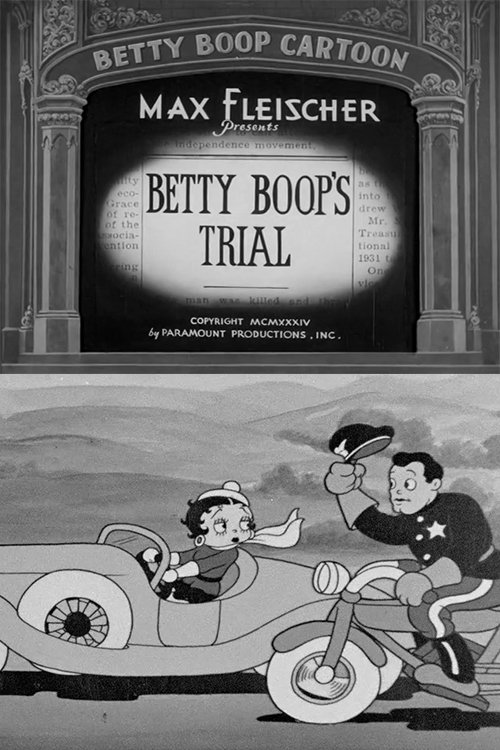
This Fleischer Studios short is a surrealist musical gag piece that prioritizes slapstick humor over social critique. It relies heavily on established 1930s archetypes and reinforces existing social and gender hierarchies. The narrative focus remains on character-driven absurdity and aesthetic appeal, offering little in the way of progressive representation.
Category Breakdown
The film does not include any LGBTQ+ characters or non-cisgender identities. Relationships focus on traditional heterosexual dynamics between the female protagonist and a male authority figure.
Betty Boop embodies the 1930s flapper and femme fatale stereotypes. She has a strong screen presence but her influence is tied to physical charm rather than intellectual leadership.
The cast features stylized, anthropomorphic humanoids typical of early animation. There is no racial or ethnic diversity among the main characters such as the judge or jury.
The narrative follows traditional 1930s social structures. The courtroom setting serves as a backdrop for surreal comedy rather than a site for cultural critique.
No characters are shown with visible or invisible disabilities. The film does not address neurodivergence or physical impairment.
Present on Screen
Limited or Absent
Official Synopsis
A traffic cop tries to make time with Betty; she speeds to get away, is arrested, and undergoes a musical trial.
1936
1934
1933
1932
1933
1932
1931
1934
No reviews yet. Be the first to share your thoughts on this movie!
Use the rating form above to leave a star rating and optional review.