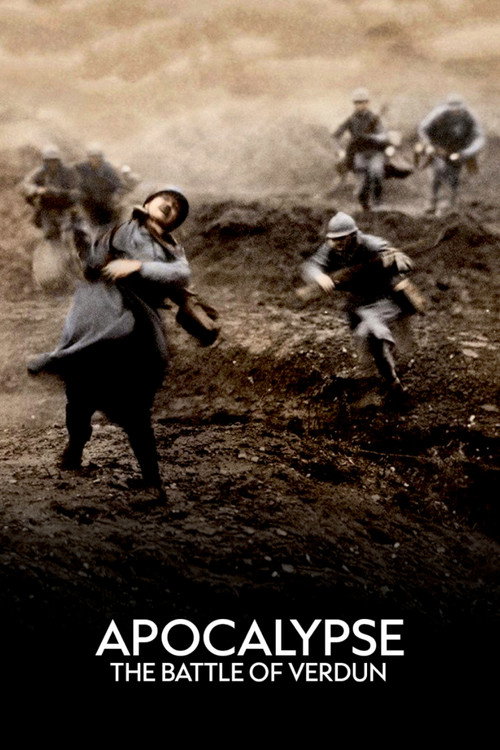
Apocalypse: The Battle of Verdun
2016
No user ratings available yet
Representation score: 2.6 out of 10
Representation Score
Limited
1963
Director
Jean Aurel
Runtime
90 minutes
Average Rating
No ratings yetNew Showbiz Analysis
Jean Aurel’s documentary serves as a chronological archive of World War I using historical footage. Since it does not rely on scripted character arcs, it lacks the narrative structure to challenge social hierarchies or provide intentional representation. The film reflects the homogeneous structures of early 20th-century warfare. It adheres to mid-century filmmaking standards, focusing on institutional and logistical aspects of the Great War rather than progressive storytelling. Ultimately, the work preserves history factually. It does not actively promote harmful stereotypes but remains limited by the era's perspectives and the combat-focused subject matter.
Category Breakdown
The film focuses on historical military logistics and combat without depicting any queer identities or non-traditional gender expressions.
The visuals emphasize male combatants and military structures. Female roles, such as nursing, are shown within traditional gendered service contexts.
The film portrays a predominantly Eurocentric military force. Colonial troops might appear in the background but lack individual ability to act.
The documentary highlights existing Western institutions like religion and patriotism without explicit critique or promotion. It lacks modern anti-establishment framing.
The film shows wounded soldiers as clinical evidence of combat trauma but lacks character-driven narratives about neurodivergence or personal ability to act.
Present on Screen
Limited or Absent
Official Synopsis
A French documentary film about World War I.
2016
1935
2008
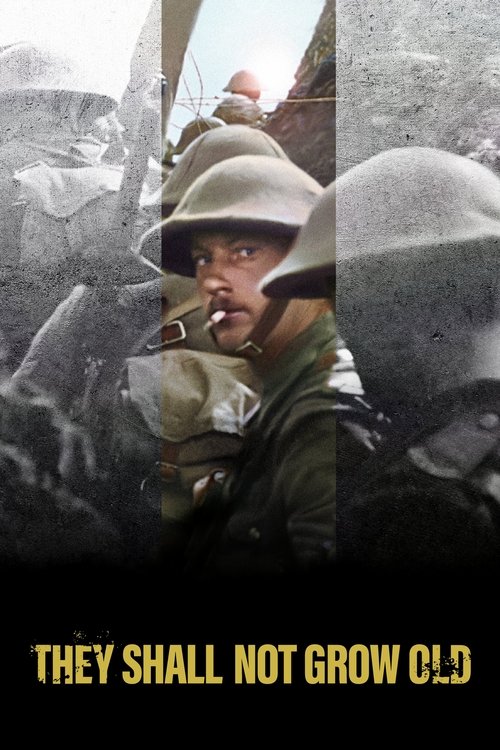
2018
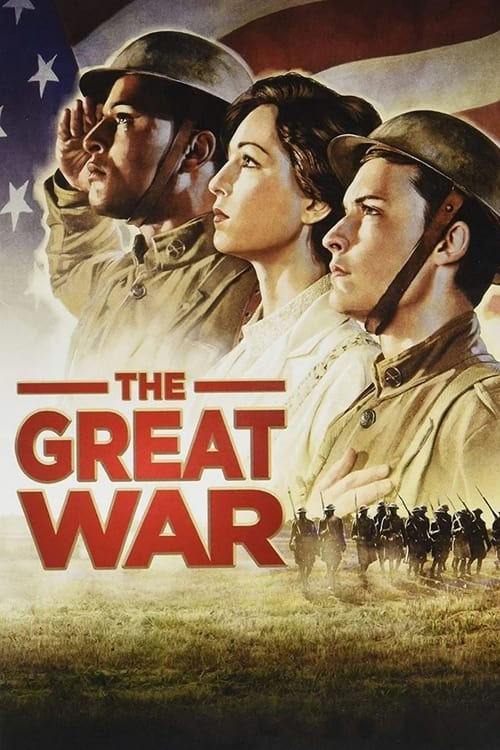
2017
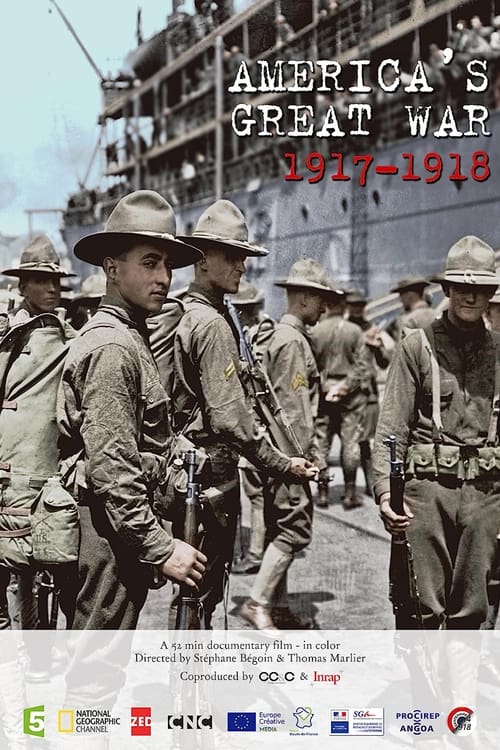
2017
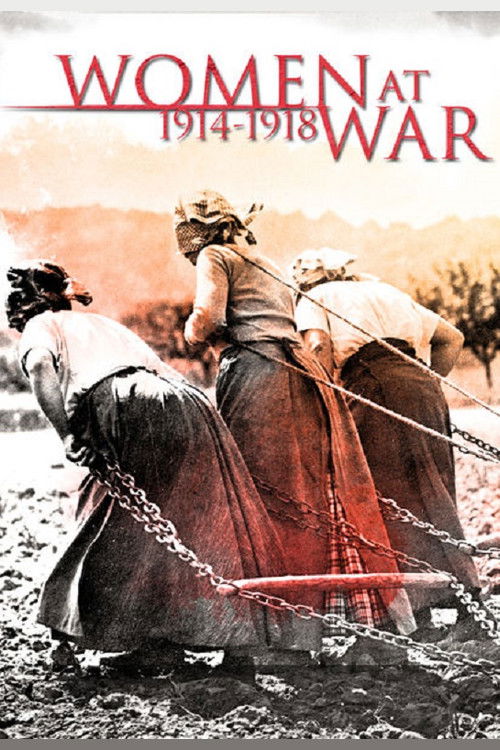
2014
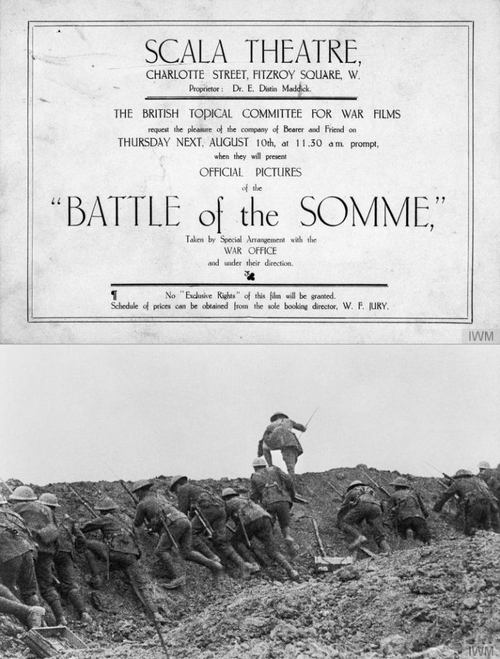
1916
No reviews yet. Be the first to share your thoughts on this movie!
Use the rating form above to leave a star rating and optional review.