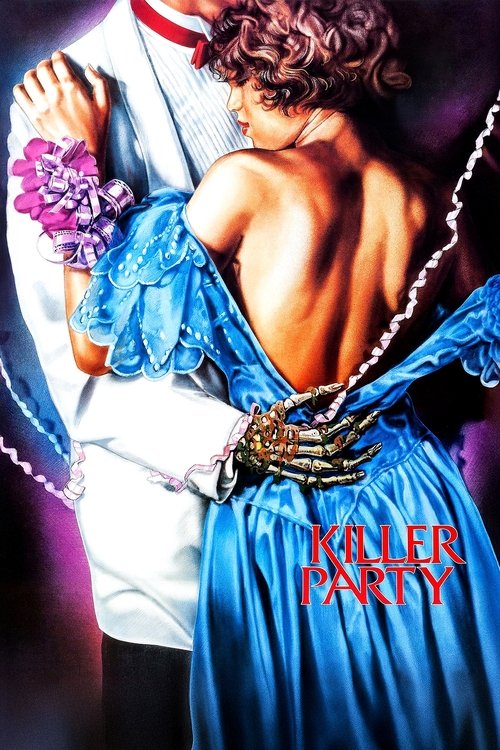
Killer Party
1986
No user ratings available yet
Diversity score: 1.7 out of 10
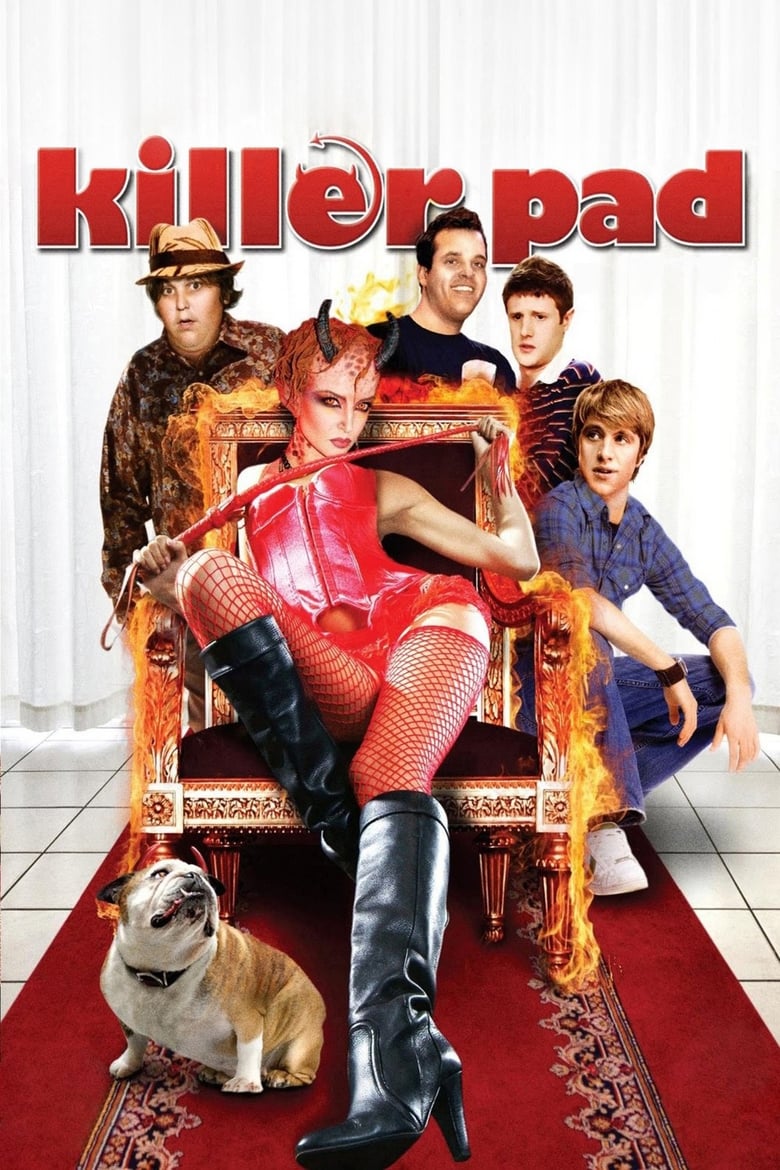
2008
RDirector
Robert Englund
Runtime
84 minutes
Average Rating
No ratings yetSynopsis
Three naïve guys, in their 20s, drive from Illinois to LA. A sleazy real-estate agent gives them a great deal on a house in the Hollywood Hills. The night they arrive, a solitary Mexican, who speaks only Spanish, tries to warn them that the place is possessed by Satan. They don't understand him, move in, and plan a party after they meet Lucy, their gorgeous neighbor from down the hill. An old friend of theirs, studying to be a priest, joins them. In the basement is a portal to Hell, so at the party, guests meet their end in various ways. Lucy and her friends may not be who the lads think. Is there any hope for these innocents? Maybe their neutered dog can help.
Overall Score
Limited
Category Breakdown
LGBTQ+ Representation
The film lacks visible LGBTQ+ characters or narratives. Character dynamics adhere to traditional heteronormative frameworks without attempting to critique or expand these social structures.
Gender Representation
The narrative relies on established genre archetypes and traditional gender roles. While Lucy is a central figure, the film does not subvert gender hierarchies or portray masculinity in a non-traditional way.
Racial & Ethnic Diversity
The ensemble is predominantly white, following conventional casting for the era. A solitary Mexican character serves as a plot device, using a linguistic barrier to highlight the protagonists' naivety.
Religious & Cultural Diversity
The story operates within a traditional Western framework. Religious elements, such as a character studying to be a priest, serve the horror plot rather than exploring deeper institutional critiques.
Disability Representation
There is no significant evidence of characters with visible or invisible disabilities. The film does not utilize neurodivergence or physical disability as a central narrative component.
Strengths
Areas for Improvement
AI Analysis
Killer Pad functions as a standard horror-comedy that prioritizes genre tropes over social deconstruction. The narrative architecture reinforces conventional social norms rather than disrupting them through intersectional perspectives. The casting and character development lean heavily on mid-2000s archetypes. This results in a narrow focus that lacks depth in racial, gender, or LGBTQ+ representation. Ultimately, the film uses its diverse elements, such as the Spanish-speaking character, as functional plot devices rather than opportunities for meaningful character agency or cultural exploration.
1986

2018

1989
2012
2003
2017

1990
2016

2019
1989
1988
1984
No reviews yet. Be the first to share your thoughts on this movie!
Use the rating form above to leave a star rating and optional review.