Evil Spirits
1991
No user ratings available yet
Representation score: 2.5 out of 10
Representation Score
Minimal
1986
RDirector
William Fruet
Runtime
92 minutes
Average Rating
No ratings yetNew Showbiz Analysis
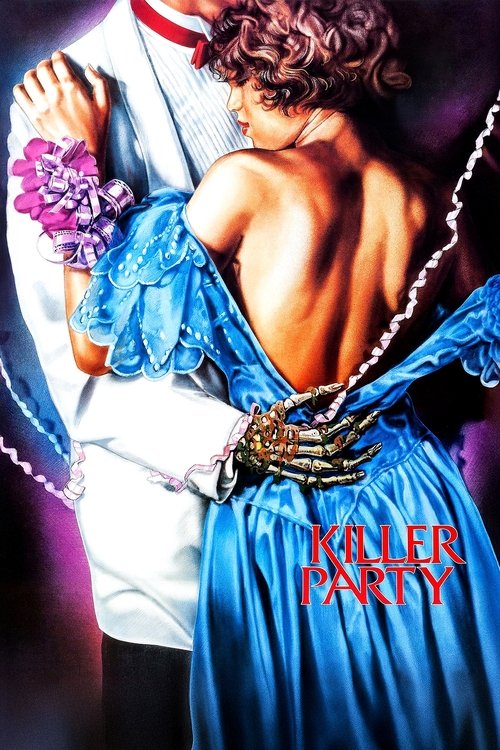
Killer Party adheres closely to the conventions of 1980s North American slasher films. It focuses on standard survival clichés rather than challenging social or identity-based norms. The film's cast is narrowly defined, featuring mostly white, North American youths. It lacks representation of diverse racial backgrounds or LGBTQ+ identities. The narrative also fails to engage with broader cultural critiques. Women play crucial roles in the story but are primarily defined by their vulnerability to physical danger. The film does not offer much complexity beyond the traditional hunter versus prey dynamic.
Category Breakdown
The film does not include any LGBTQ+ characters or non-binary gender identities. The social dynamics revolve around straight and cisgender youth.
Female characters play key roles in the story but are mainly portrayed as vulnerable victims. The narrative emphasizes traditional slasher movie themes of female peril.
The cast is predominantly made up of white, North American youths. There is no meaningful inclusion of characters from diverse racial backgrounds who have significant roles.
The story follows typical genre conventions centered on survival. It depicts a conventional middle-class setting without addressing broader cultural or systemic issues.
There are no characters with visible or invisible disabilities in the film. The movie does not feature any neurodivergent or disability-related storylines.
Present on Screen
Limited or Absent
Official Synopsis
It's April Fool's Day and the sisters of Sigma Alpha Pi believe they've found the perfect place to throw a party: the abandoned fraternity house where the guillotined pledge once lost his head in a hazing gone awry.
1991
1988
1987
1988
2020
2021

1988

2004
No reviews yet. Be the first to share your thoughts on this movie!
Use the rating form above to leave a star rating and optional review.