
Porn Star Zombies
2009
No user ratings available yet
Representation score: 3.2 out of 10
Representation Score
Limited
2003
Director
Miguel Ángel Lamata
Runtime
99 minutes
Average Rating
No ratings yetNew Showbiz Analysis
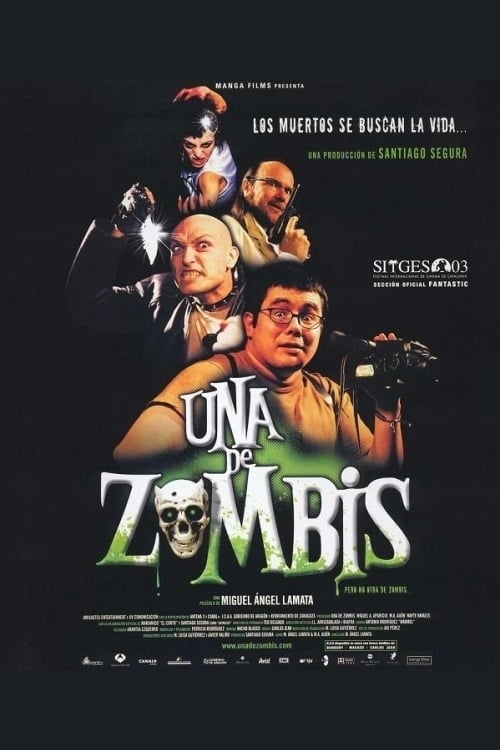
Una de zombis is a traditional horror-comedy that prioritizes genre clichés and stylistic homage over social commentary. The narrative centers on a meta-cinematic conflict between filmmakers and supernatural threats, leaving little room for multi-layered depth. The film operates within the conventional boundaries of its era, using established archetypes without deconstructing social hierarchies. Consequently, the characters and settings reflect a narrow, homogeneous demographic. Ultimately, the work functions as a culturally specific piece that lacks an intentional effort toward racial pluralism or progressive identity politics.
Category Breakdown
The film does not feature prominent LGBTQ+ characters or storylines. Tension in relationships revolves around traditional sexual dynamics rather than queer narratives or non-traditional gender identities.
Female characters such as Carla have a strong presence but primarily serve as catalysts for the genre. The film follows conventional gender dynamics without challenging patriarchal structures or traditional hierarchies.
The cast is mainly homogeneous, reflecting a specific regional Spanish setting. There is no attempt to use color-blind casting or diverse ethnic perspectives to break the demographic norm.
The narrative uses Satanic elements as typical horror clichés rather than tools for social critique. It does not significantly engage with secularism, capitalism, or anti-establishment sentiments.
There is no representation of physical or neurodivergent disabilities. Characters are portrayed through standard genre archetypes without addressing disability or chronic illness.
Present on Screen
Limited or Absent
Official Synopsis
Aijón and Caspas are two aspiring filmmakers in their 20s despite having a huge lack of resources, ideas and contacts. Inexplicably, a woman named Carla (the source of sexual tension in the film) agrees to help them. However, if Aijón and Caspas want their film to be released, they will have to eliminate the members of a Satanic mafia of psychopath gangsters who call themselves "The Antichrists", which have returned from their graves in order to spread terror into the world and tell horribly lame jokes. -Edgar Cochran-
2009
2011

2017

2013

1989

2021

1987

2012
No reviews yet. Be the first to share your thoughts on this movie!
Use the rating form above to leave a star rating and optional review.