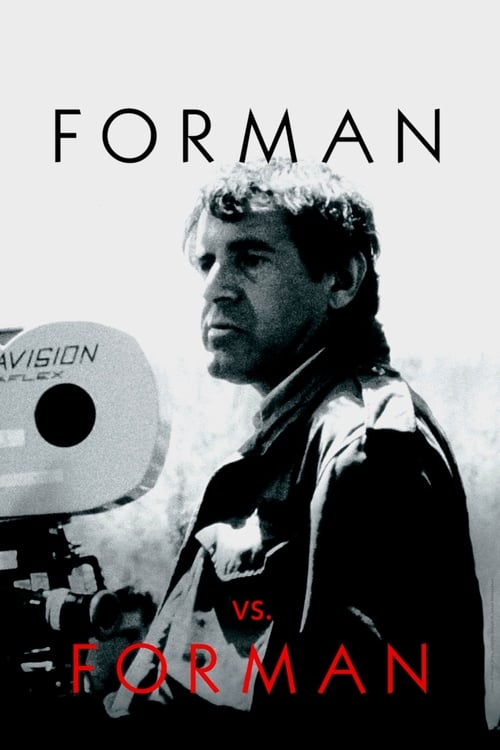
Forman vs. Forman
2019
No user ratings available yet
Representation score: 5.3 out of 10
Representation Score
Limited
2014
PG-13Director
Petr Horký
Average Rating
No ratings yetNew Showbiz Analysis
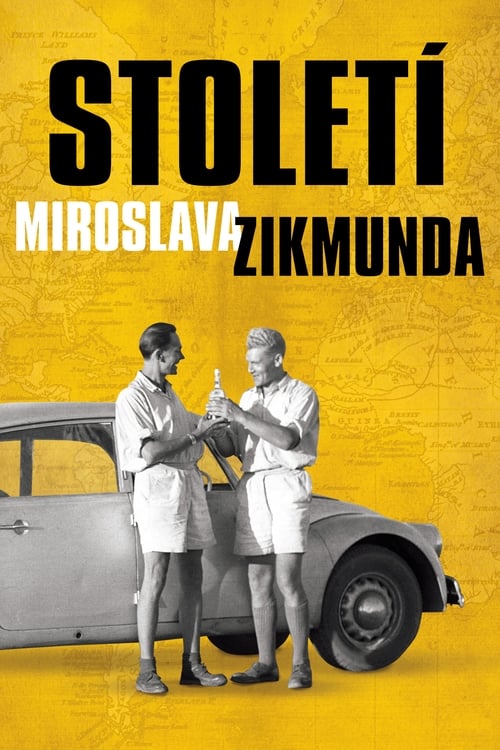
Století Miroslavá Zikmunda is a traditional biographical documentary that emphasizes historical milestones over social representation. Its strength lies in its global perspective, moving beyond a localized European lens to include the shifting power dynamics of the Global South. However, the film remains anchored in a male-centric worldview. The narrative structure centers on a single male figure, limiting gender diversity and lacking any engagement with LGBTQ+ identities. Ultimately, the film serves as a study of 20th-century geopolitical shifts. While it does not intentionally represent underrepresented groups, its anti-colonial and anti-authoritarian themes offer a broader cultural scope than a typical domestic biography.
Category Breakdown
The documentary focuses solely on the life of a male explorer and does not include any representation of LGBTQ+ identities or non-cisgender narratives.
The film centers on a male protagonist, reflecting the historical context of mid-20th-century exploration. It follows a traditional biographical format without challenging gender hierarchies.
The film's global scope includes Africa during the decline of colonial systems, providing a diverse visual landscape that challenges a purely Eurocentric perspective.
The narrative explores changes in power structures, from the Habsburgs to Communism and capitalism. It critiques oppressive state apparatuses like the StB through the protagonist's experiences.
There is no depiction of physical disabilities or neurodivergence. These elements are not central to the biographical narrative.
Present on Screen
Limited or Absent
Official Synopsis
Biographical film brings a distinctive view of the turbulent history of the twentieth century through the eyes of a man who knew the whole world. Conceived under the Habsburgs, he was born five months after the First Republic was founded. He survived World War II, lived through the rise and fall of communism. He was labelled by the StB as a "dangerous person of the highest danger class". He was in Africa when the colonial system was dying. He met the pre-presidents, met Gagarin and Hillary. He experienced the rise of democracy and "all-powerful" capitalism.
2019
2017
1956

2020
2008
2019
2004
2012
No reviews yet. Be the first to share your thoughts on this movie!
Use the rating form above to leave a star rating and optional review.