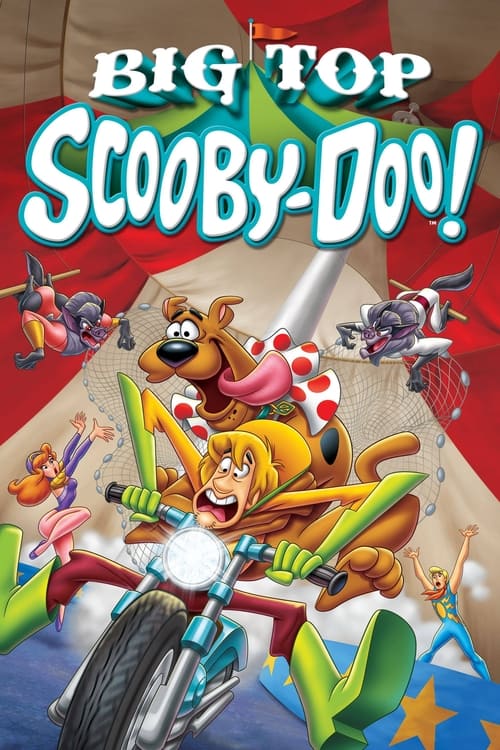
Big Top Scooby-Doo!
2012
No user ratings available yet
Representation score: 2.8 out of 10
Representation Score
Minimal
1988
GDirector
Ray Patterson
Runtime
92 minutes
Average Rating
No ratings yetNew Showbiz Analysis
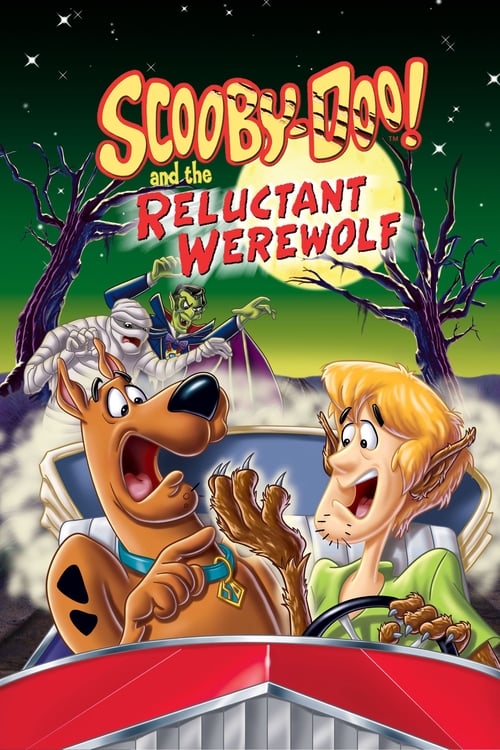
This production is a traditionalist animation that prioritizes established franchise formulas and slapstick comedy. It relies on conventional social structures and genre clichés rather than narrative disruption or systemic critique. The film lacks intentionality regarding multi-layered representation. By adhering to a stable, predictable narrative, it reinforces existing social and gender hierarchies rather than challenging them. Ultimately, the work functions as a standard adventure narrative. It focuses on overcoming fear and solving mysteries within a narrow, homogeneous framework.
Category Breakdown
The film maintains a strictly straight-centered framework, with no depictions of non-assuming gender matches what was assigned at birth identities or same-sex intimacy among the characters.
Traditional gender hierarchies are reinforced through established archetypes. Velma serves as an intellectual anchor, while Daphne often plays roles centered on aesthetic concerns or situational peril.
The cast is homogeneous, adhering to the standard Mystery Inc. lineup. The setting serves as a folkloric backdrop without exploring ethnic identity.
The story operates within a traditional Western framework of morality, emphasizing a clear distinction between good and bad without exploring moral relativism or systemic critique.
Shaggy’s supernatural transformation into a werewolf is treated as a comedic plot device. The film lacks a nuanced exploration of physical or neurodivergent identity.
Present on Screen
Limited or Absent
Official Synopsis
Shaggy is turned into a werewolf, and it's up to Scooby, Scrappy and Shaggy's girlfriend to help him win a race against other monsters, and become human again.
2012
2003

2010
1988
1987
2007
2016
1999
No reviews yet. Be the first to share your thoughts on this movie!
Use the rating form above to leave a star rating and optional review.