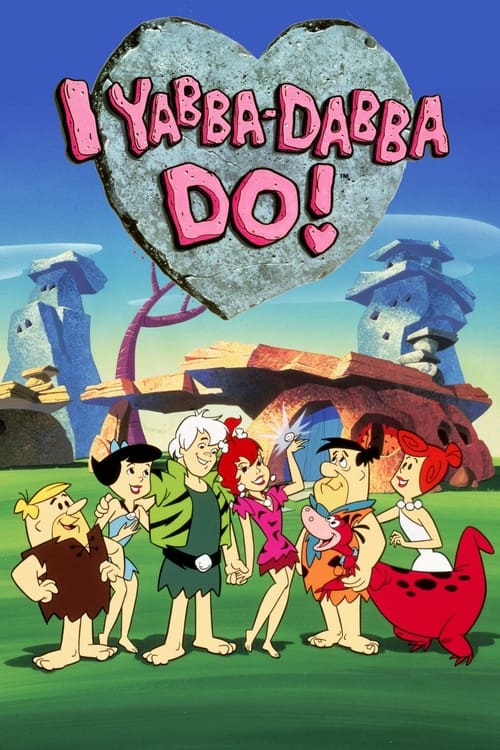
I Yabba-Dabba Do!
1993
No user ratings available yet
Diversity score: 3.2 out of 10
1989
Director
Ray Patterson
Runtime
23 minutes
Average Rating
No ratings yetSynopsis
Made-for-TV special of popular comic strip.
Overall Score
Limited
Category Breakdown
LGBTQ+ Representation
The film lacks explicit LGBTQ+ characters or non-cisnormative identities. It operates within the conventional heteronormative frameworks common in late-80s family animation.
Gender Representation
Female characters exist primarily within the domestic sphere and adhere to established gender hierarchies. The narrative relies on traditional comedic tropes rather than subverting masculine authority.
Racial & Ethnic Diversity
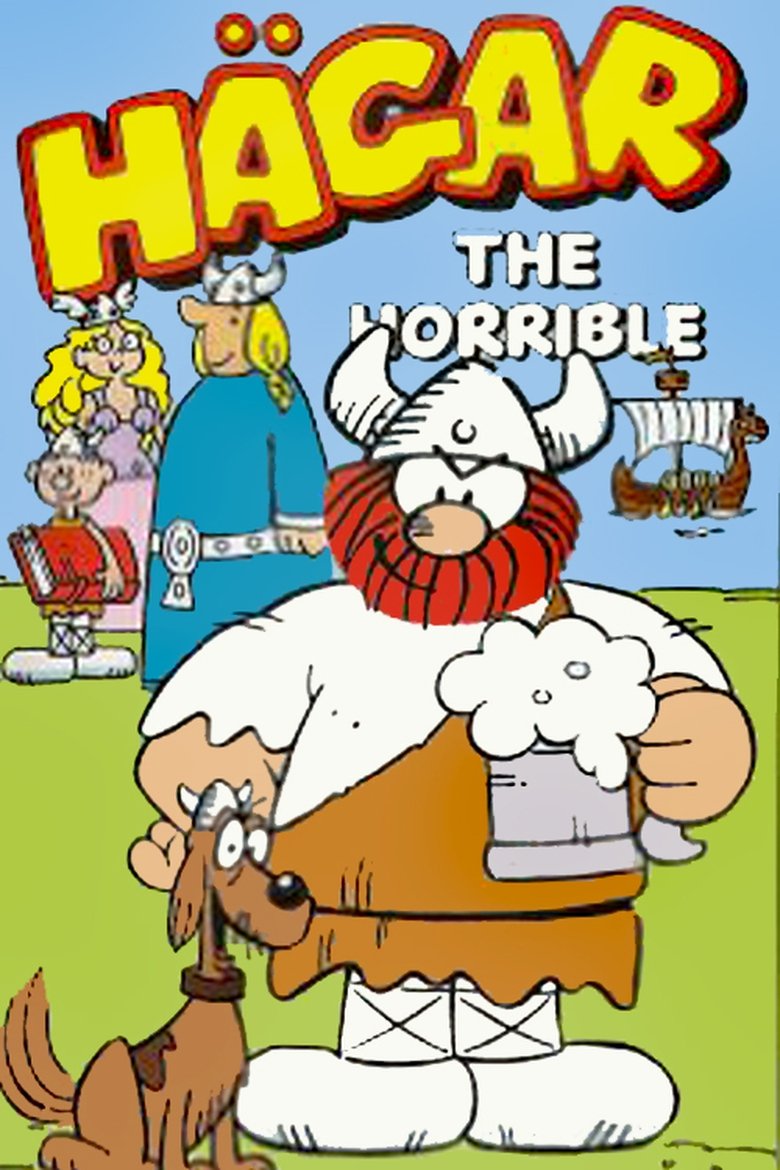
The cast features a homogeneous, Eurocentric depiction of Northmen. The Viking setting lacks diverse casting or race-bending to challenge historical homogeneity.
Religious & Cultural Diversity
The story focuses on localized, character-driven situational comedy. It follows conventional moral landscapes rather than prioritizing secularist deconstruction or institutional critique.
Disability Representation
There is no evidence of neurodivergent characters or the use of disability as a narrative device. Specific details regarding visible or invisible disabilities are unconfirmed.
Strengths
Areas for Improvement
AI Analysis
Hägar the Horrible functions as a traditional adaptation of an established comic strip, prioritizing the preservation of existing tropes over progressive narrative shifts. The production reflects the standard industry practices for family animation in the late 1980s, maintaining a conventional approach to identity and cultural dynamics. The film's reliance on a stylized, historical Viking context results in a homogeneous and Eurocentric character lineup. This lack of diversity extends to gender and LGBTQ+ representation, which remain within the era's standard heteronormative and hierarchical frameworks.
1993
1979
1982
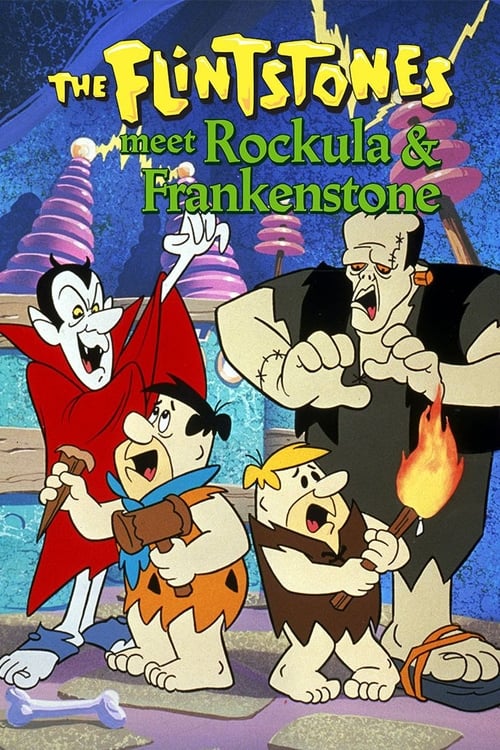
1979
No reviews yet. Be the first to share your thoughts on this movie!
Use the rating form above to leave a star rating and optional review.