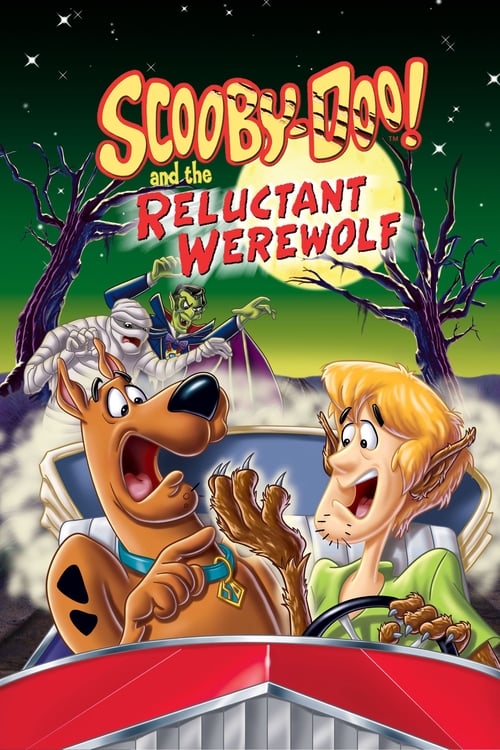
Scooby-Doo! and the Reluctant Werewolf
1988
No user ratings available yet
Representation score: 1.9 out of 10
Representation Score
Limited
1979
TV-GDirector
Ray Patterson
Runtime
49 minutes
Average Rating
No ratings yetNew Showbiz Analysis
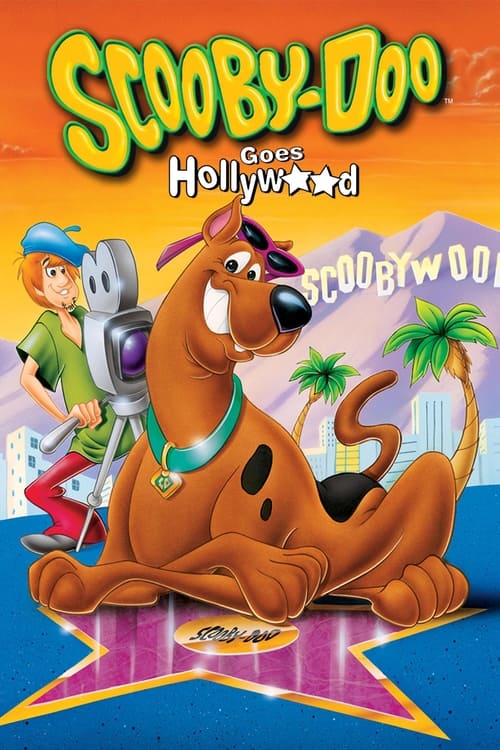
Scooby Goes Hollywood functions as a standard commercial animation of its era, prioritizing episodic comedy over sociopolitical commentary. The narrative adheres to established genre clichés, focusing on the pursuit of Hollywood stardom through a homogeneous lens. The production lacks intentionality regarding the representation of multiple aspects of diversity or the subversion of social hierarchies. It remains firmly rooted in the mid-century Western media norms of the late 1970s.
Category Breakdown
The film does not include any focus on LGBTQ+ identities or same-sex relationships. Instead, it relies on traditional comedic archetypes common to the late 1970s.
The story centers on male protagonists Shaggy and Scooby-Doo pursuing stardom. There is no meaningful exploration of traditional masculine leadership roles.
The production follows conventional casting patterns for late-70s animation. The narrative centers on a homogeneous character set typical of the franchise's established continuity.
The film operates within a traditional Western framework focused on individual success. It does not engage with anti-capitalist themes or deconstruct Western institutions.
While characters exhibit eccentric behaviors, there is no evidence of disabilities being portrayed with real impact. No significant narrative drivers related to disability are present.
Present on Screen
Limited or Absent
Official Synopsis
Shaggy and Scooby-Doo quit their Saturday morning TV series in pursuit of Hollywood stardom.
1988
1988
1999
1987
1996

2010
2001
2007
No reviews yet. Be the first to share your thoughts on this movie!
Use the rating form above to leave a star rating and optional review.