
Babylon
1980
No user ratings available yet
Representation score: 6.3 out of 10
Representation Score
Good
1981
Director
Menelik Shabazz
Runtime
106 minutes
Average Rating
No ratings yetNew Showbiz Analysis
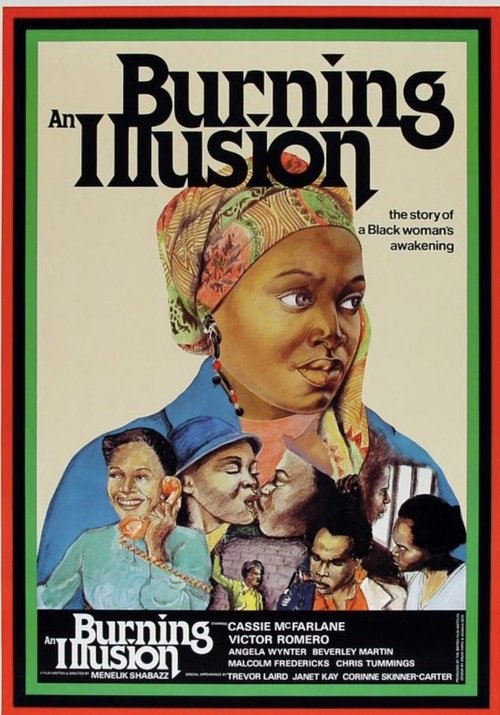
Menelik Shabazz provides a vital counter-narrative to the mainstream British cinema of the early 1980s. By centering a Black female protagonist, the film shifts the focus from Eurocentric norms to the overlapping aspects of identity within the diaspora. The film's strength lies in its subversion of traditional domestic roles. Instead of a passive female lead, the protagonist seeks intellectual growth and self-actualization, challenging the power dynamics of her relationships. While the film excels in racial and gendered storytelling, it lacks specific evidence regarding LGBTQ+ identities or disability representation. Nevertheless, its commitment to systemic critique makes it a significant piece of independent cinema.
Category Breakdown
The film focuses on a community that deviates from mainstream heterosexual norms. However, there is no specific evidence of queer subplots or non-cisgender identities.
The story challenges traditional gender roles by centering a Black woman's struggle for autonomy. She is the primary driver of her own life rather than a passive participant.
This work breaks the typical white-dominated British cinematic landscape of 1981. It uses a non-Anglo-Saxon perspective to explore the lived experiences and social constraints of the diaspora.
The narrative explores anti-establishment and post-colonial themes. It emphasizes community support as a means to navigate and critique existing social and economic structures.
There is no documented evidence regarding the portrayal of physical or neurodivergent disabilities in this film.
Present on Screen
Limited or Absent
Official Synopsis
A young black woman in England becomes increasingly frustrated with her life with her lazy, demanding boyfriend, and with the help of friends seeks something better.
1980

1966
1981

1961

1976

1965

1997

1970
No reviews yet. Be the first to share your thoughts on this movie!
Use the rating form above to leave a star rating and optional review.