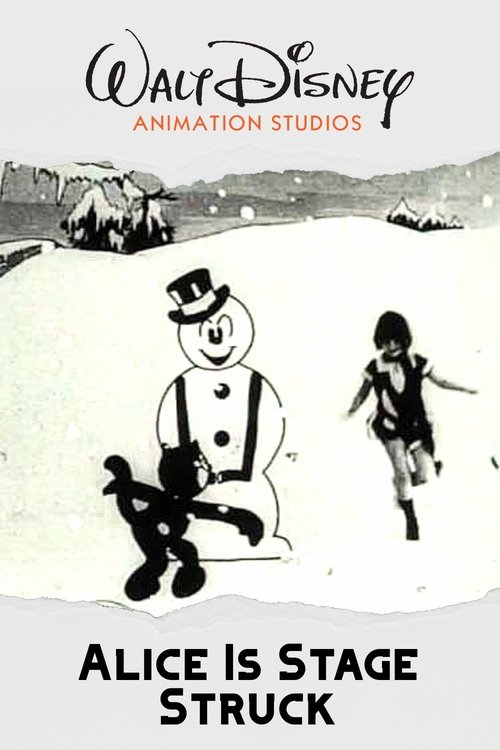
Alice Gets Stage Struck
1925
No user ratings available yet
Representation score: 0.8 out of 10
Representation Score
Limited
1924
NRDirector
Walt Disney
Runtime
10 minutes
Average Rating
No ratings yetNew Showbiz Analysis
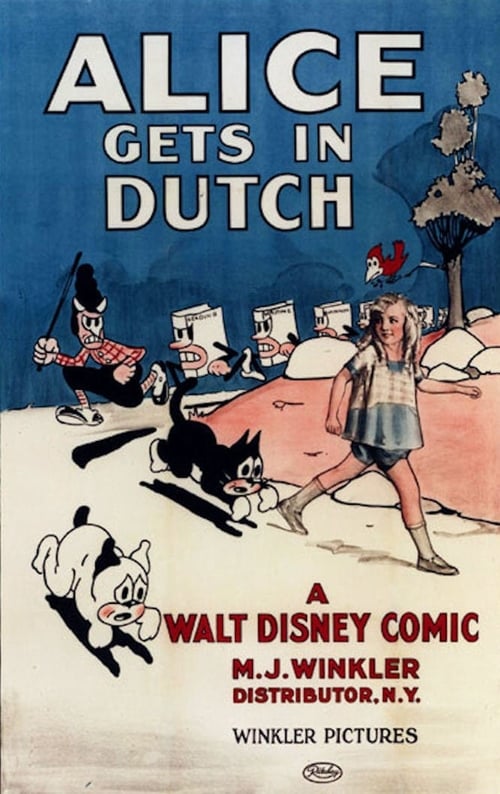
Alice Gets in Dutch is a historical example of early animation that prioritizes surreal exploration over social complexity. The film uses a dreamscape to explore the psyche, but it does not engage with identity-driven storytelling or systemic social hierarchies. The narrative is a product of its era, reflecting the traditional social constraints of the 1920s. While the protagonist has a significant role in driving the dream narrative, the overarching themes of discipline and institutional authority remain conventional.
Category Breakdown
This film does not include any characters or themes related to LGBTQ+ identities or non-cisgender experiences. The story revolves around a protagonist's dream world without addressing any queer themes.
Alice is the main female character who drives the dream narrative. She navigates a surreal world, but the plot remains tied to traditional disciplinary structures.
The animation reflects the homogeneous casting typical of the 1924 silent era. There are no characters from diverse racial backgrounds or non-Anglo-Saxon origins.
The story explores the tension between institutional authority and the subconscious mind. It offers a subtle critique of school rigidity through surrealist imagery.
There is no depiction of physical or neurodivergent disabilities in this short film.
Present on Screen
Limited or Absent
Official Synopsis
Alice misbehaves in school and is forced to sit in the corner. She falls asleep and dreams, but schoolwork intrudes even into her dreams. Alice dreams of dancing dogs and donkeys until her fun is interrupted by three walking schoolbooks.
1925

1924

1923
1925

1926
1925

1927

1924
No reviews yet. Be the first to share your thoughts on this movie!
Use the rating form above to leave a star rating and optional review.