
Die Sache mit Styx
1942
No user ratings available yet
Representation score: 1.0 out of 10
Representation Score
Minimal
1957
Director
Karl Anton
Runtime
89 minutes
Average Rating
No ratings yetNew Showbiz Analysis
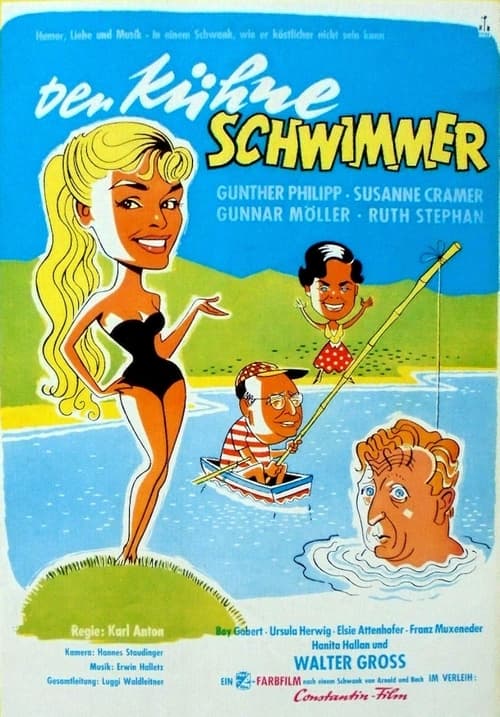
Der kühne Schwimmer is a traditional mid-century West German comedy that adheres to established cinematic conventions and social structures. The film reflects the demographic and social homogeneity of 1957, relying on standard character archetypes and domestic themes that reinforce, rather than critique, the era's cultural norms. Ultimately, the film minimally disrupts established hierarchies, serving as a reflection of the period's social stability and traditional family-centric values.
Category Breakdown
The film does not include any LGBTQ+ characters or stories that go beyond the assumption that everyone is straight or cisgender. It follows the traditional social structures of 1957 West German cinema.
The film features strong female leads but may rely on traditional gender roles. Characters seem to fit into conventional comedic types rather than challenging established social hierarchies.
The film reflects the demographics of post-war West Germany. The cast appears very uniform, with no indication of non-white or diverse ethnic casting.
Themes of domestic life and relationships suggest a focus on traditional interpersonal dynamics. The narrative emphasizes the stability of the family unit rather than challenging social institutions.
There are no characters with physical or neurodivergent disabilities in the main cast or plot.
Present on Screen
Limited or Absent
1942
1964
1956
1964
1964
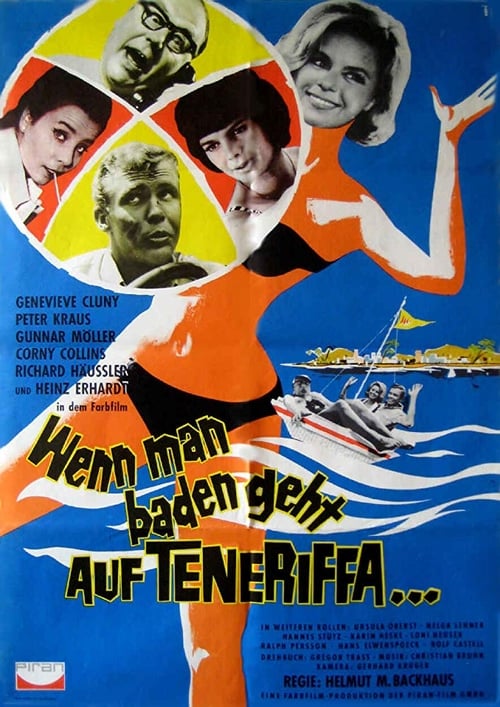
1964
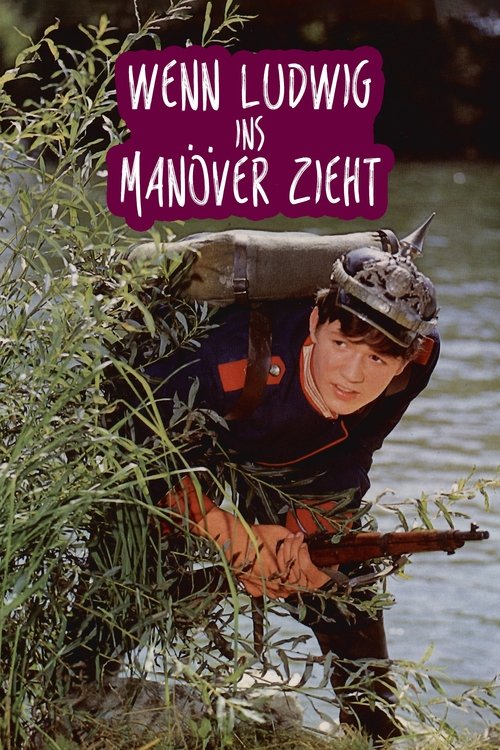
1967

1961
No reviews yet. Be the first to share your thoughts on this movie!
Use the rating form above to leave a star rating and optional review.