Move the Grave
2020
No user ratings available yet
Representation score: 5.7 out of 10
Representation Score
Fair
1996
Director
Im Kwon-taek
Runtime
107 minutes
Average Rating
No ratings yetNew Showbiz Analysis
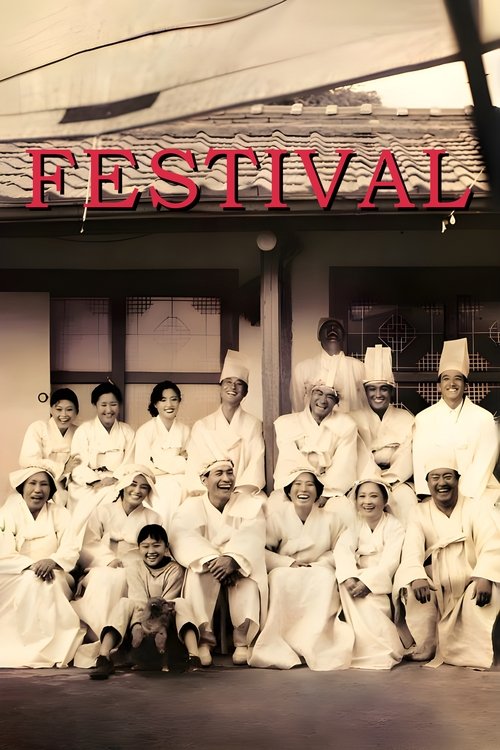
Im Kwon-taek’s *Festival* is a deeply specific exploration of Korean heritage and communal ritual. Its primary strength lies in its refusal to cater to a Westernized perspective, instead centering shamanistic traditions and local village life. This creates a highly authentic cultural landscape that asserts the validity of indigenous spiritual frameworks. However, the film operates within traditional social hierarchies. While the matriarchal experience is explored with depth, the gender dynamics remain rooted in conventional roles of caregiving. The narrative does not engage with contemporary identity politics or queer perspectives, focusing instead on the preservation of heritage. Ultimately, the film succeeds as a study of cultural continuity. It trades globalized narrative clichés for a localized, meaningful look at death, memory, and the social cohesion found in traditional Korean customs.
Category Breakdown
The film focuses on familial mourning and traditional funerary rites in a rural setting. There are no LGBTQ+ characters or critiques of the assumption that everyone is straight or cisgender.
The narrative centers on a matriarchal figure through her illness and death. While providing depth to the female experience, the portrayal remains tied to traditional caregiving roles.
The film offers an authentic depiction of Korean ethnic identity. By centering indigenous customs and village life, it avoids the Western gaze and resists cultural homogenization.
The story prioritizes shamanistic practices and folk religion over Westernized frameworks. This focus on communal tradition provides a nuanced view of social cohesion and spiritual ritual.
Dementia serves as a central driver of the film's emotional and ritualistic weight. The portrayal offers a dignified exploration of neurocognitive decline within a specific cultural framework.
Present on Screen
Limited or Absent
Official Synopsis
While awaiting the publication of his fairytale about his dementia-stricken octogenarian mother, an acclaimed South Korean novelist receives news that she has passed away, so he leaves the city and returns to her village to take part in the funeral.
2020
2002
2018
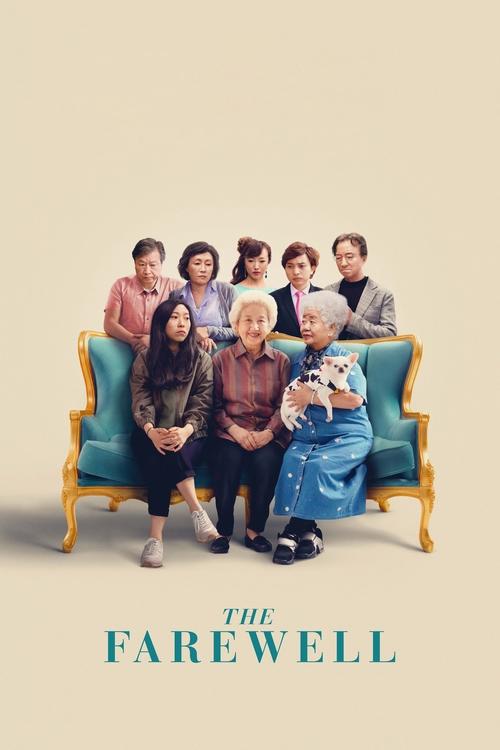
2019
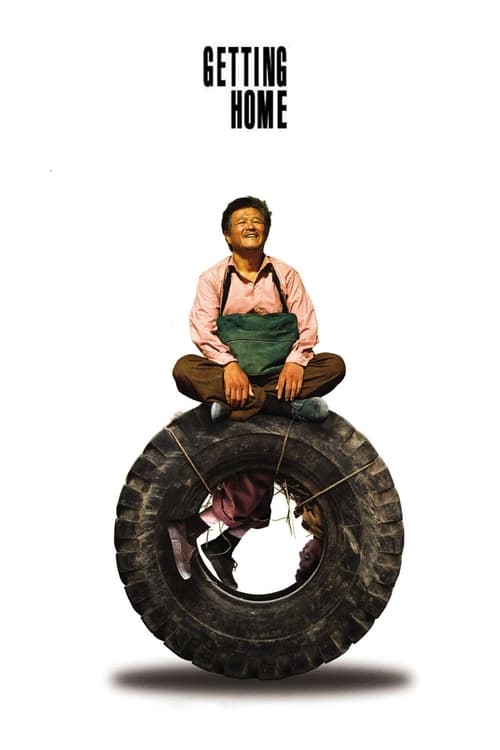
2007

2016
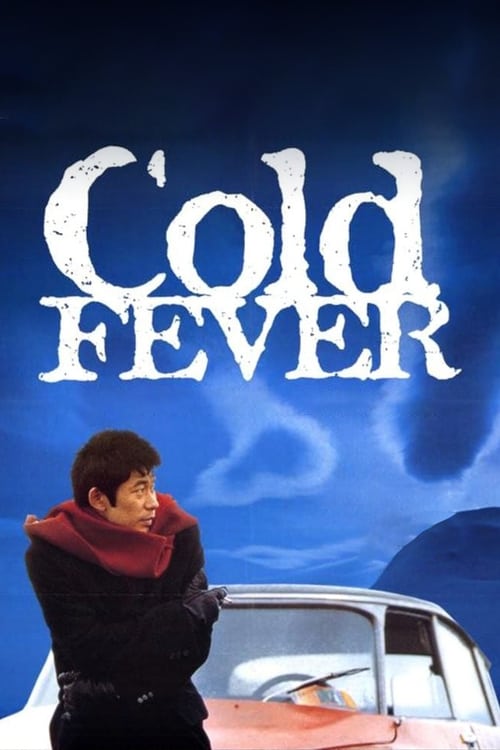
1995
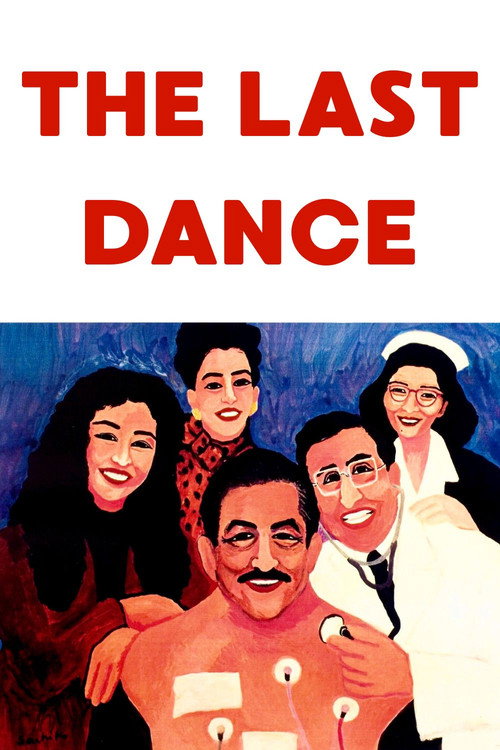
1993
No reviews yet. Be the first to share your thoughts on this movie!
Use the rating form above to leave a star rating and optional review.