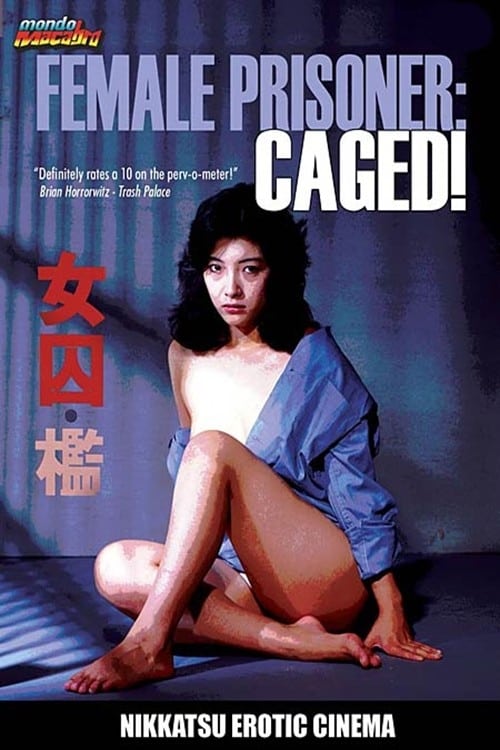
Female Prisoner: Caged!
1983
No user ratings available yet
Representation score: 7.3 out of 10
Representation Score
Limited
1976
Director
Jang Il-ho
Runtime
90 minutes
Average Rating
No ratings yetNew Showbiz Analysis
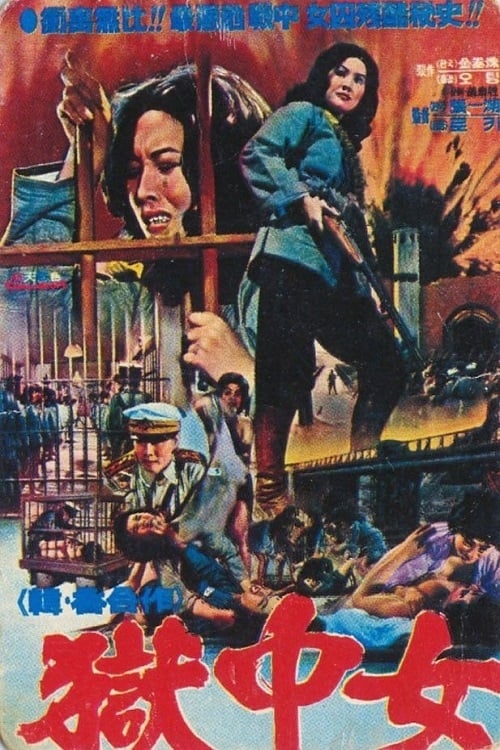
The Great Escape from Women's Prison serves as a critique of power and gendered autonomy. It deconstructs the cliché of the benevolent authority figure by framing the warden as a predatory antagonist. While the film lacks modern multi-layered markers like LGBTQ+ or disability representation, its narrative architecture is progressive for its time. It focuses on women resisting systemic coercion and institutional corruption. The film's strength lies in its engagement with themes of systemic victimhood and the subversion of traditional social hierarchies through a lens of female solidarity.
Category Breakdown
The film does not depict any non-straight relationships or identities. The central conflict revolves around coercive heterosexual relationships.
The story emphasizes the role of women in driving the plot and the bond between a mother and daughter. It portrays male figures as predators rather than protectors.
As a South Korean production, the cast is ethnically uniform. It represents a specific regional identity without blending different racial backgrounds.
The narrative critiques how political ideology can be used for personal gain. It highlights systemic oppression within localized power structures.
There is no information regarding the depiction of physical or neurodivergent characters in this film.
Present on Screen
Limited or Absent
Official Synopsis
Yeong-rim and her mother are imprisoned when she refuses the advances of the village's communist supporter, Bong-ju. Bong-ju gets himself appointed the position of warden where the two are secured and becomes increasingly threatening.
1983
1972
1977
1972
1985
1970
1976
1947
No reviews yet. Be the first to share your thoughts on this movie!
Use the rating form above to leave a star rating and optional review.