
Ayşecik and Ömercik
1969
No user ratings available yet
Representation score: 1.1 out of 10
Representation Score
Limited
1971
Director
Metin Erksan
Average Rating
No ratings yetNew Showbiz Analysis
Metin Erksan’s film is a psychological study of individual autonomy clashing with rigid rural social structures. Its primary strength lies in its sophisticated treatment of gender, moving beyond simple melodrama to explore the tension between personal desires and communal morality. While the film successfully humanizes the struggle against collective constraints, it remains anchored in the traditional frameworks of its time. It offers a nuanced look at female empowerment but lacks broader representation of LGBTQ+ identities or diverse racial backgrounds. Ultimately, the work serves as a meaningful study of gendered social constraints within a specific, culturally homogeneous environment.
Category Breakdown
The film does not include any LGBTQ+ characters or non-straight relationships. Romantic conflicts are confined to traditional heterosexual relationships of the era.
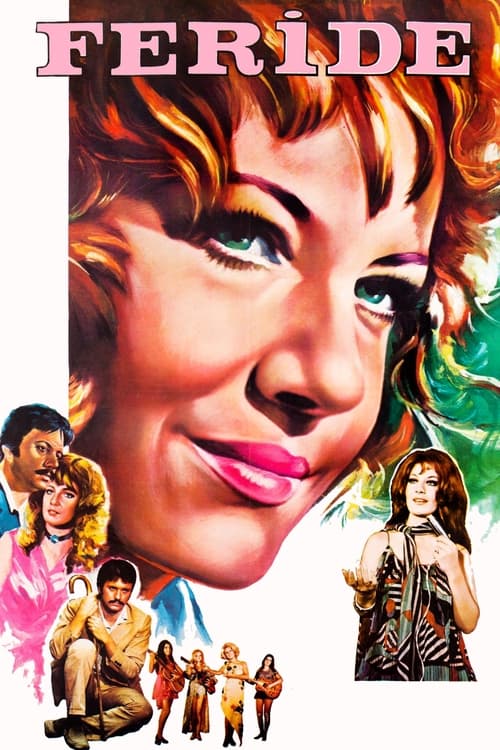
The narrative focuses on Feride's internal struggles, emphasizing her role in driving the story rather than passive social scrutiny. It highlights the emotional toll of navigating male-dominated social expectations.
The cast is culturally uniform, reflecting a specific rural Turkish setting. It provides an authentic regional identity without attempting to blend different racial backgrounds.
Traditional morality and communal institutions exert significant pressure on the characters. The story examines how social reputation can act as an oppressive force on personal freedom.
There are no prominent depictions of physical or neurodivergent disabilities that significantly influence the narrative or serve as key character traits.
Present on Screen
Limited or Absent
1969

1965
1986
1977
1961
1971

1978
1972
No reviews yet. Be the first to share your thoughts on this movie!
Use the rating form above to leave a star rating and optional review.