
Conversations with Mother
2004
No user ratings available yet
Representation score: 5.5 out of 10
Representation Score
Fair
2014
Director
António-Pedro Vasconcelos
Runtime
124 minutes
Average Rating
No ratings yetNew Showbiz Analysis
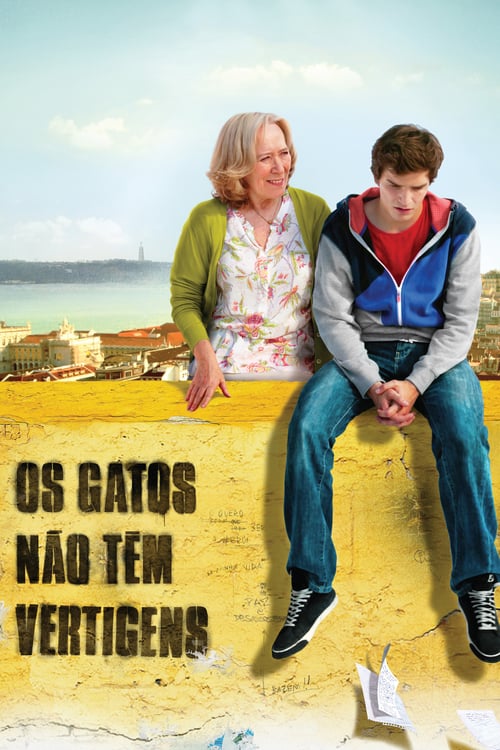
Cats Don't Have Vertigo examines the fragility of social institutions through the lens of a protagonist expelled from his home. By focusing on unconventional domestic bonds and emotional sanctuary, the film moves away from traditional family archetypes. The narrative successfully deconstructs the patriarchal household by positioning a widow as a source of stability. However, the film remains limited by its localized focus, lacking overt multi-layered visibility or diverse racial representation, and keeping the social commentary confined to specific Portuguese domestic dynamics.
Category Breakdown
The film hints at a departure from traditional family structures but doesn't explicitly confirm specific LGBTQ identities. Instead, it focuses on non-traditional living arrangements and the breakdown of the nuclear family.
Rose emerges as a key figure of stability and refuge, challenging traditional gender roles. The film also critiques the conventional notion of masculinity by displacing Jô with a paternal figure.
As a localized Portuguese production, the film lacks evidence of a multi-ethnic cast. The narrative appears centered on domestic social strata within a specific cultural context.
The story questions the sanctity of the Western patriarchal family by presenting the father as an agent of expulsion. It highlights the search for refuge in unconventional spaces.
There is no evidence regarding the portrayal of physical or neurodivergent disabilities in this work.
Present on Screen
Limited or Absent
Official Synopsis
Jô is kicked out of home by his father on his birthday. Having no place to go, he takes refuge in the terrace of Rose, who just lost her husband.
2004

2017

2004

2011
2016

2024

2014

2018
No reviews yet. Be the first to share your thoughts on this movie!
Use the rating form above to leave a star rating and optional review.