
Swan Song
2021
No user ratings available yet
Representation score: 9.2 out of 10
Representation Score
Excellent
2020
RDirector
Andrew Cohn
Runtime
90 minutes
Average Rating
No ratings yetNew Showbiz Analysis
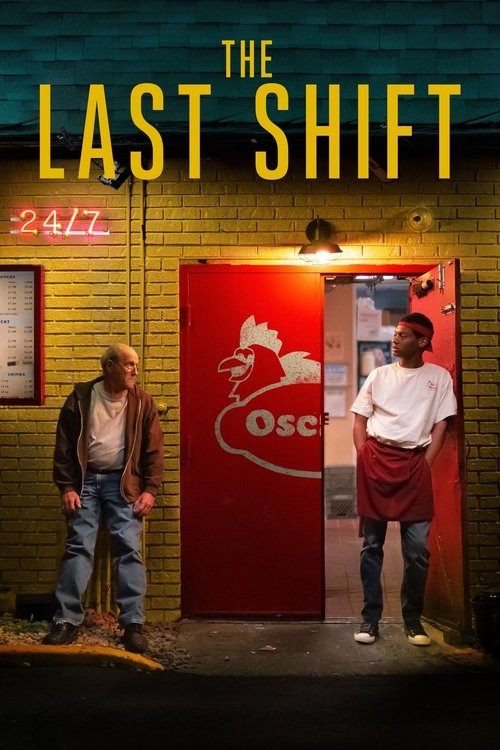
The Last Shift succeeds as a character study that centers the invisible labor force of the service industry. By focusing on the friction between individual identity and economic necessity, it avoids romanticizing the working class. The film's strength lies in its realistic portrayal of systemic exhaustion and the disconnect between personal aspiration and reality. While the film excels at depicting a multi-ethnic, contemporary urban environment, it remains somewhat limited in its representation of specific disabilities. The narrative prioritizes socioeconomic conditions over neurodivergent or physical disability depictions. Overall, the film provides a sophisticated, secular critique of institutional norms. It uses intergenerational and interracial relationships to drive a plot that feels both granular and socially relevant.
Category Breakdown
The film includes characters with diverse sexual orientations and gender identities, adding complexity to the diner's social fabric. These identities are integrated naturally into the urban environment without making identity politics the central focus.
Gender dynamics are portrayed through the lens of workplace reality and emotional labor. The narrative avoids idealized domestic clichés, instead highlighting how traditional hierarchies manifest in professional service interactions.
Casting reflects a multi-ethnic urban landscape rather than a homogeneous working class. The central relationship between Stanley and Jevon uses interracial dynamics to provide a significant role in driving the story to characters of color.
The film offers a grounded critique of capitalist structures and economic precarity. It avoids moralistic or patriotic narratives, focusing instead on the mundane struggles and burnout caused by institutional hierarchies.
The narrative focuses on the psychological toll of routine and existential dread. However, specific depictions of visible or neurodivergent disabilities are not central to the primary story arc.
Present on Screen
Limited or Absent
Official Synopsis
Stanley, an aging fast food worker, prepares to work his final graveyard shift after 38 years. When he's asked to train his replacement, Jevon, Stanley's weekend takes an unexpected turn.
2021
2020
2023

2018
2009

2024

2019

2020
No reviews yet. Be the first to share your thoughts on this movie!
Use the rating form above to leave a star rating and optional review.