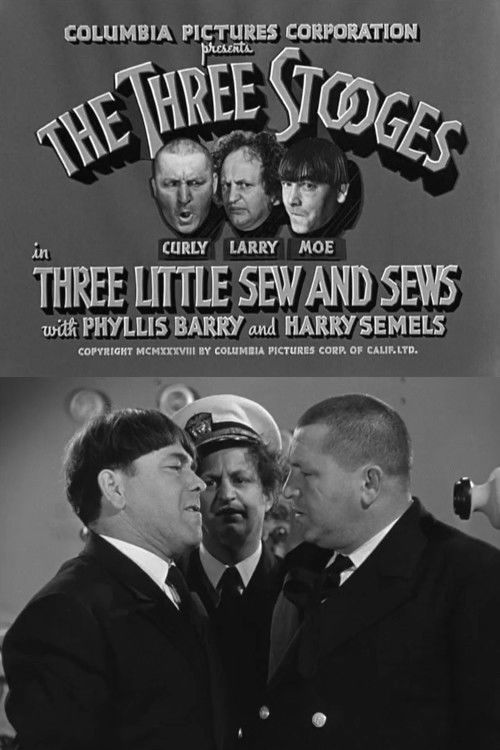
Three Little Sew and Sews
1939
No user ratings available yet
Representation score: 0.5 out of 10
Representation Score
Minimal
1943
NRDirector
Del Lord
Runtime
18 minutes
Average Rating
No ratings yetNew Showbiz Analysis
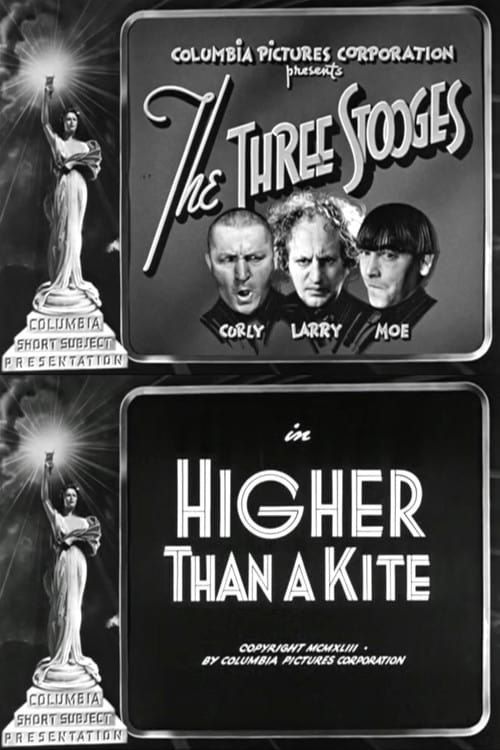
Higher Than a Kite is a wartime comedy that functions primarily as slapstick propaganda. It relies on mid-century clichés and homogeneous casting, offering little in the way of social or identity-based depth. The film uses gender subversion only as a tool for farce, specifically through Larry's disguise. This approach treats femininity as a comedic device rather than a legitimate identity, maintaining a strictly male-centric narrative. Ultimately, the work adheres to the social and demographic norms of 1943. It reinforces the era's prevailing cultural hierarchies without attempting to disrupt or critique them.
Category Breakdown
Larry uses a female disguise as a seductive fraulein to create a distraction. This gender non-conformity serves as a slapstick gag rather than an exploration of LGBTQ identity.
The story focuses on a male-dominated military setting. Femininity is portrayed as a costume for deception, reinforcing traditional masculine hierarchies through comedic drag.
The cast is overwhelmingly homogeneous, reflecting the era's standard casting practices. There is no meaningful inclusion of non-white characters or diverse backgrounds.
The film reinforces 1940s patriotic and nationalistic ideals. It portrays wartime military structures through a lens of lighthearted camaraderie and institutional stability.
There is no discernible representation of physical or neurodivergent disabilities. Physical comedy is limited to situational slapstick and character mishaps.
Present on Screen
Limited or Absent
Official Synopsis
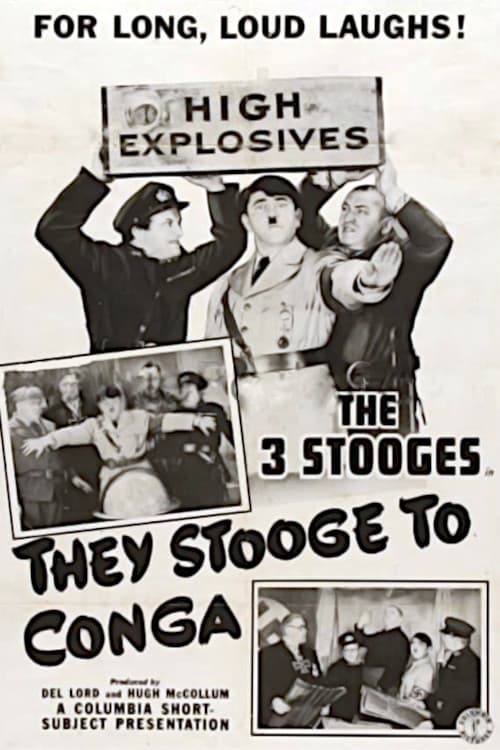
The stooges are auto mechanics working for the R.A.F. in England. After wrecking an officers car they need a place to hide, but their choice, a sewer pipe, turns out to a bomb which is dropped on the enemy. Finding themselves behind enemy lines, Moe and Curly disguise as German officers and Larry dresses as a seductive fraulein. While general Bommel chases after Larry, Moe and Curly steal the secret plans from the high command.
1939
1946
1938
1942
1943
1944
1940
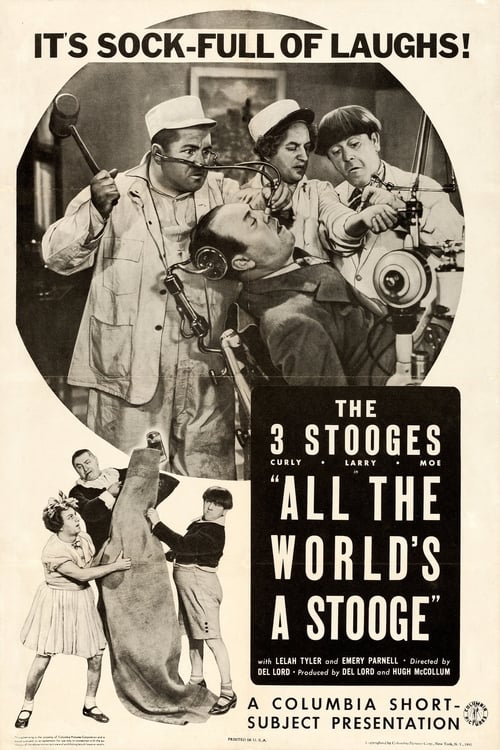
1941
No reviews yet. Be the first to share your thoughts on this movie!
Use the rating form above to leave a star rating and optional review.