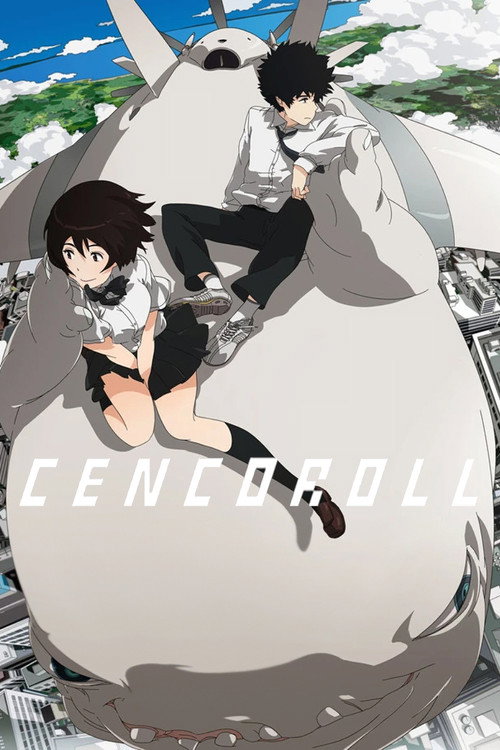
Cencoroll
2009
No user ratings available yet
Representation score: 2.1 out of 10

Representation Score
Good
2019
Director
Atsuya Uki
Runtime
75 minutes
Average Rating
No ratings yetNew Showbiz Analysis
Cencoroll Connect stands out by subverting gender clichés and departing from standard moral binaries. By placing Yuki at the center of the conflict, the film avoids relegating female characters to secondary roles. However, the lack of explicit LGBTQ+ representation and the homogeneous cast limit its reach in terms of diverse identity expression. Additionally, the portrayal of Tetsu's lethargy remains ambiguous and does not provide clear insights into disability or neurodivergence.
Category Breakdown
The film does not include explicit representations of LGBTQ+ identities or same-sex relationships. Instead, it centers on the supernatural conflict involving the main characters and their adversaries.
Yuki plays a central role in driving the plot rather than being a passive observer. Her active involvement in the battle challenges traditional clichés where female characters are often sidelined.
The cast appears to be from a single cultural background. While the film avoids overt racial hierarchies or stereotypes, it does not incorporate diverse ethnic blending as a key theme.
The story emphasizes individual ability to act and the breakdown of urban order rather than traditional social institutions. It explores subjective morality through a clash of wills, moving away from a simple good versus evil binary.
Tetsu is portrayed as lethargic, which might suggest a neurodivergent condition or a specific psychological state. However, the film remains ambiguous about how this trait is used or interpreted.
Present on Screen
Limited or Absent
Official Synopsis
Student Yuki has never seen one of the giant monsters she always hears about on the news and that threaten her city. But when she meets the lethargic Tetsu one day, things change suddenly. Because Tetsu moves around the houses with a creature called Cencoroll, which he can control with mind control and which can transform into a wide variety of objects. But not only Yuki is fascinated by Cencoroll: the boy Shu tries to take Cencoroll from Tetsu with the help of his own telepathy monster, whereupon the four engage in a bitter fight, in which Yuki also intervenes and the entire city is converted into a battle arena.
2009

2006

2018
2024
1996

2009

2006
2017
No reviews yet. Be the first to share your thoughts on this movie!
Use the rating form above to leave a star rating and optional review.