Mirage
2006
No user ratings available yet
Representation score: 4.4 out of 10
Representation Score
Fair
2006
Director
Nobutake Ito
Runtime
13 minutes
Average Rating
No ratings yetNew Showbiz Analysis
Junk Town is a localized science fiction fable that emphasizes the physical transformation of a robot and its relationship with a young boy. The narrative leans into traditional genre clichés, focusing on spectacle and discovery rather than complex sociological themes. Since the story centers on a singular character arc involving a non-human entity, it lacks the interpersonal dynamics needed to explore broader social themes. The film remains within a conventional framework, favoring spectacle over intentional social commentary. Ultimately, the work does not actively promote traditional hierarchies but also does not address broader social themes with multi-layered complexity.
Category Breakdown
The story revolves around a bond between a boy and a machine. There is no clear representation of LGBTQ+ identities or challenges to the assumption that everyone is straight.
The main character is a young boy. The story does not delve into female characters or challenge traditional gender roles.
The film is set in a Japanese shopping arcade, suggesting a specific cultural context. However, there is no indication of a multi-ethnic cast.
The film explores themes of technology and consumption through a robot devouring machines. It functions primarily as a typical science fiction tale.
The character descriptions do not mention neurodivergence, physical disabilities, or mental health conditions.
Present on Screen
Limited or Absent
Official Synopsis
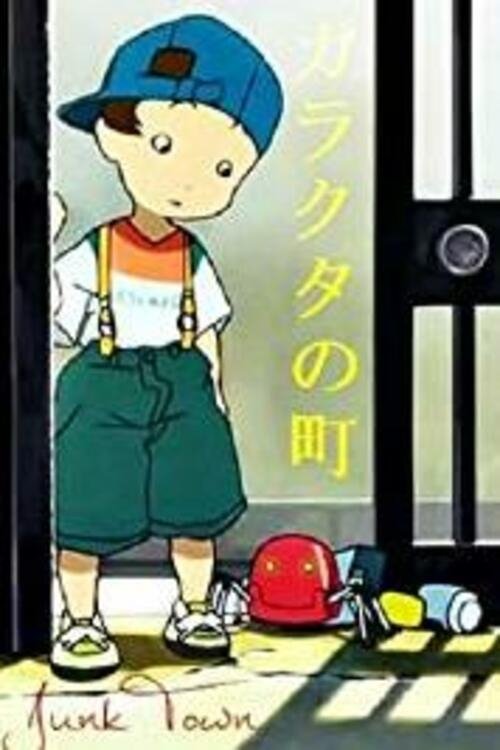
A science fiction story about a young boy who discovers and befriends a small robot at a shopping arcade. The robot is hungry and he grows in size as he devours a number of machines of increasing size.
2006
1989
2017

1992
2009

2019

2017
2003
No reviews yet. Be the first to share your thoughts on this movie!
Use the rating form above to leave a star rating and optional review.