The Guyver: Bio-Booster Armor
1989
No user ratings available yet
Representation score: 4.7 out of 10
Representation Score
Good
1989
Director
Hiroyuki Yokoyama
Runtime
50 minutes
Average Rating
No ratings yetNew Showbiz Analysis
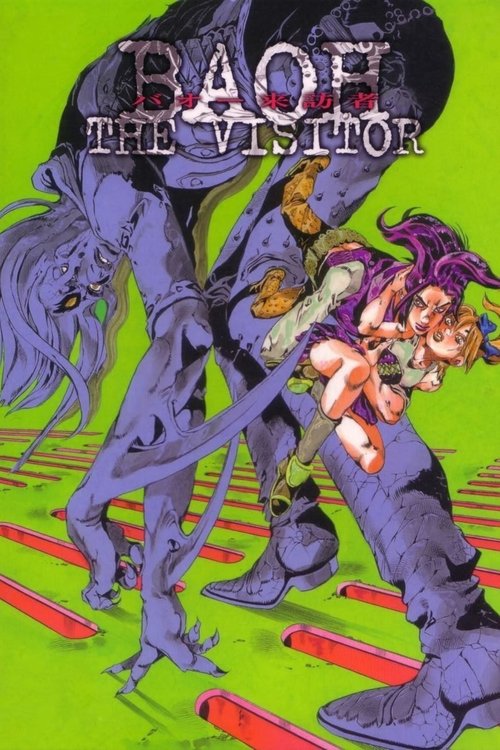
Baoh: The Visitor is a genre-driven science fiction film that emphasizes high-concept body horror over diverse representation. Its portrayal is shaped by era-specific clichés, particularly regarding traditional gender roles and the absence of queer identities. However, the film provides a nuanced critique of systemic corruption and unethical state-sponsored power. By depicting the Japanese organization Doress as a predatory force, it challenges traditional narratives of institutional trust and state-driven ethics. Ultimately, the film's strength lies in its thematic exploration of bodily autonomy and involuntary physical transformation rather than broad diversity.
Category Breakdown
The film does not include any visible LGBTQ+ characters or identities outside of heterosexuality. The story centers on the biological connection between Ikuro and Sumire, sticking to traditional character types without any queer subtext.
Sumire mainly serves as a catalyst for the male protagonist's journey. Despite having psychic abilities, her role remains largely reactive, fitting the traditional 'damsel in distress' cliché.
Set in a Japanese context, the film features a predominantly Japanese cast. It avoids Western whitewashing by focusing on a domestic organization but does not include broader ethnic diversity.
The narrative criticizes state-sponsored power by portraying the Japanese organization Doress as a corrupt, unethical entity. This portrayal challenges institutional trust and the pursuit of nationalistic superiority.
The film examines bodily autonomy through Ikuro’s involuntary biological transformations. These superhuman augmentations highlight the psychological burden of losing control over one’s body.
Present on Screen
Limited or Absent
Official Synopsis
Doress, a Japanese "black projects" organization, has been gathering psionics and creating biological weapons to "make Japan superior". When one of the biological experiments, BAOH, a parasite living inside 17-year-old Ikuro, escapes with a psychic young girl named Sumire, Doress will do anything to get the boy and girl back. The only problem for them is that BAOH has the ability to alter its host into a living death machine in order to keep it alive. BAOH "awakens" to its "Armed Defense Phenomenons", giving Ikuro acid-tipped claws, bio-regeneration, and super-strength. But Doress takes the girl, and BAOH, alongside its host, must fight an army of commandos and psionics to get her back.
1989
1992
1986

1996
1995

1980

2002

1994
No reviews yet. Be the first to share your thoughts on this movie!
Use the rating form above to leave a star rating and optional review.