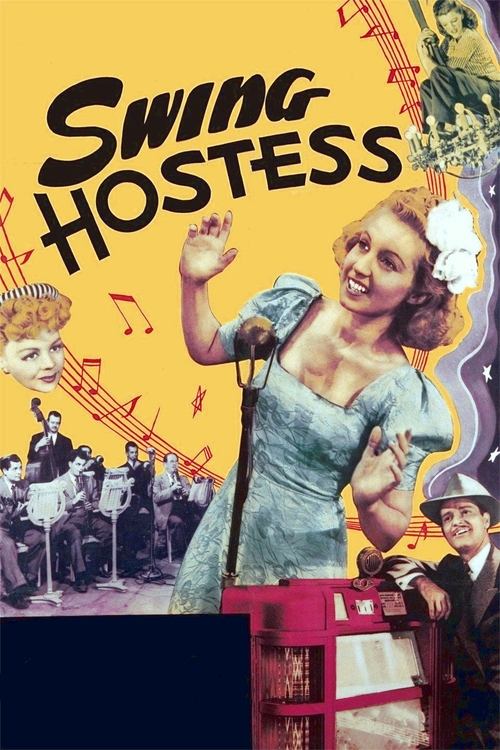
Swing Hostess
1944
No user ratings available yet
Representation score: 1.8 out of 10
Representation Score
Limited
1944
ApprovedDirector
William Berke
Runtime
68 minutes
Average Rating
No ratings yetNew Showbiz Analysis
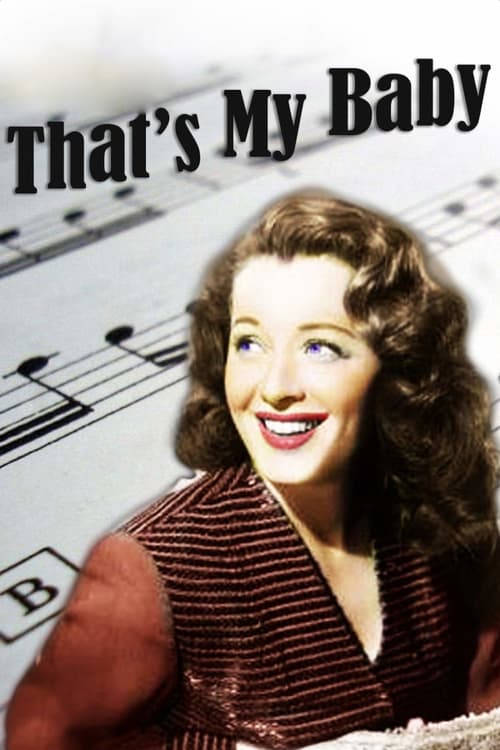
That's My Baby! is a product of its time, relying heavily on established social archetypes. The narrative structure reinforces traditional hierarchies through the use of the 'wily manager' and 'melancholic patriarch' clichés. The film lacks meaningful representation across most categories, adhering to the homogeneous casting and gendered dynamics typical of 1944 cinema. It prioritizes conventional romantic and familial melodrama over progressive storytelling.
Category Breakdown
The film features a conventional love triangle involving a male artist, a female lead, and a male antagonist. It does not include any representation of non-straight or non-cisgender identities, nor does it challenge the assumption that everyone is straight or cisgender.
Betty Moody is a central figure, but the plot focuses on male characters and the patriarch's emotional journey. Female characters seem to play a supporting role in facilitating male emotional stability, which is a common cliché.
The film likely reflects the homogeneous casting practices of 1940s Hollywood. There is no indication of diverse casting beyond the standard Western-centric, Anglo-Saxon stereotypes.
Themes center around workplace romance and family health within traditional mid-century values. The narrative stays within conventional social structures without critiquing Western institutions.
Phineas Moody's severe melancholy serves as a melodramatic plot device. Such depictions often lack character's ability to drive the story, functioning primarily as a catalyst for the protagonists rather than providing nuanced portrayals.
Present on Screen
Limited or Absent
Official Synopsis
A love triangle occurs between the publisher's daughter Betty Moody. comic book artist Tim Jones, and the company's wily manipulative manager Hilton Payne. In addition, Betty's dad, Phineas Moody suffers from severe melancholy; and an emergency cure of laughter is required to save his health.
1944
1954
1944
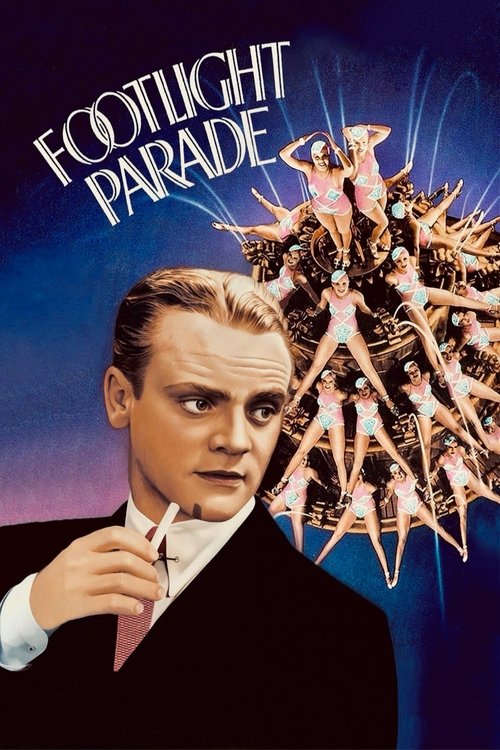
1933
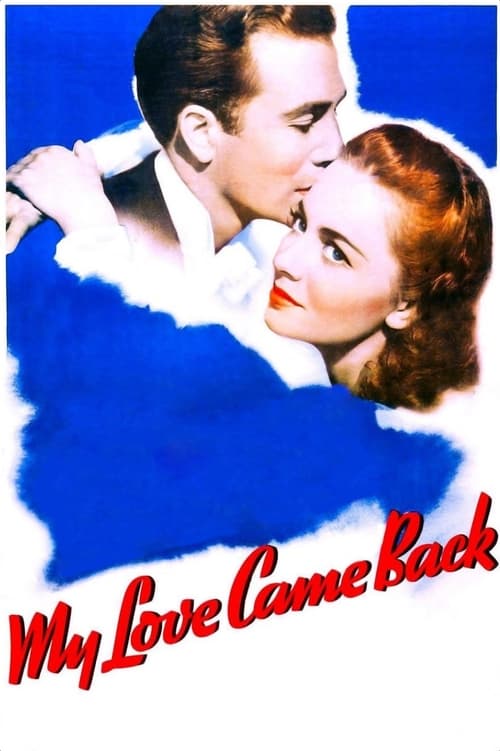
1940
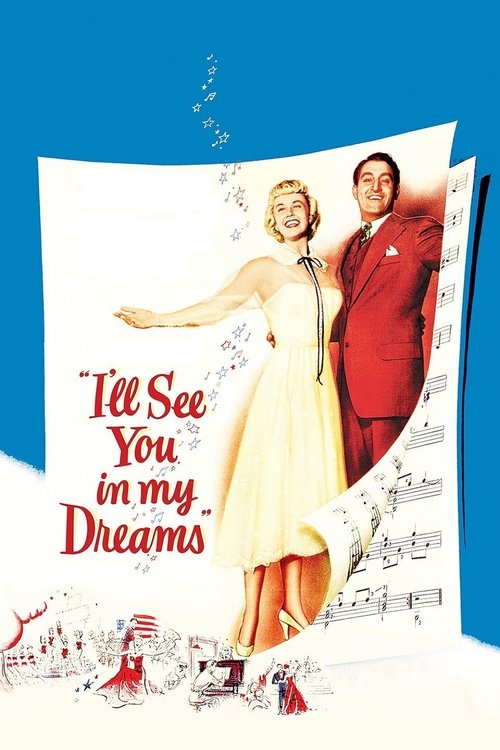
1951
1934
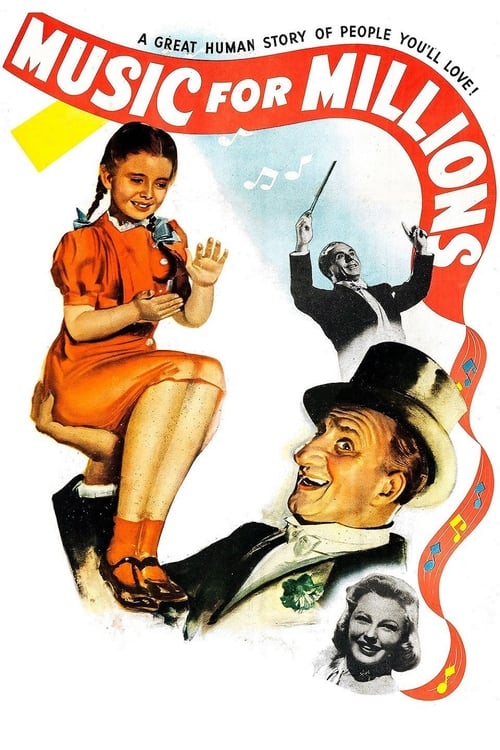
1944
No reviews yet. Be the first to share your thoughts on this movie!
Use the rating form above to leave a star rating and optional review.