Zander the Great
1925
No user ratings available yet
Diversity score: 2.6 out of 10
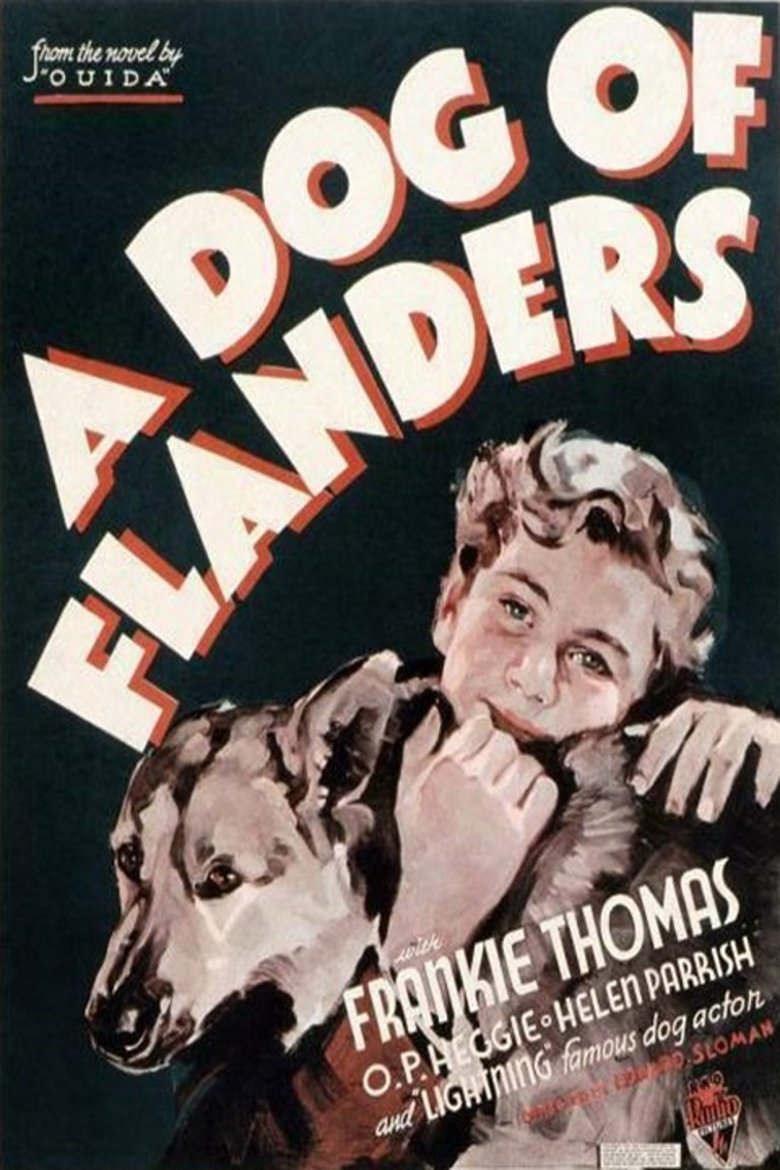
1935
ApprovedDirector
Edward Sloman
Runtime
72 minutes
Average Rating
No ratings yetSynopsis
Adaptation of Ouida's sentimental classic about a poor Flemish boy (Frankie Thomas) whose ambition is to become a painter.
Overall Score
Limited
Category Breakdown
LGBTQ+ Representation
The film contains no depictions of non-heteronormative identities or queer narratives. Character dynamics focus on familial bonds and the platonic devotion between a child and his animal companion.
Gender Representation
The narrative focuses heavily on male protagonists like Nello and his grandfather. Female characters are relegated to peripheral, maternal, or supporting roles, reinforcing traditional gender hierarchies.
Racial & Ethnic Diversity
The cast is ethnically homogeneous, reflecting its 1935 production standards and Flemish setting. There is no evidence of color-blind casting or the inclusion of non-white characters.
Religious & Cultural Diversity
The story is grounded in the Christian cultural landscape of Flanders. It presents a traditional moral framework while critiquing the indifference of the wealthy toward the impoverished.
Disability Representation
There are no prominent depictions of physical or neurodivergent disabilities. No such traits serve as central character arcs or agency-driven narratives within the film.
Strengths
Areas for Improvement
AI Analysis
A Dog of Flanders is a period-specific sentimental tragedy that adheres to the social and demographic constraints of 1935. It functions as a critique of class disparity, highlighting the struggle of the working poor against an apathetic upper class. However, the film operates within very conventional frameworks. It lacks intersectional representation, presenting a singular Western European demographic and strictly traditional gender roles. The narrative is driven almost entirely by male characters and familial structures. Ultimately, the film is a culturally specific work that prioritizes a traditional moral landscape over social disruption or diverse representation.
1925
1921

1933
1946
1950
1946
1956
1914
1937
1950

1909
1917
No reviews yet. Be the first to share your thoughts on this movie!
Use the rating form above to leave a star rating and optional review.