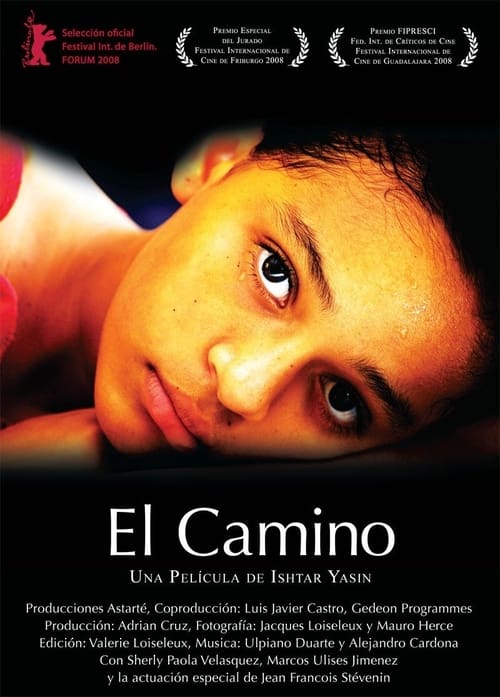
The Path
2007
No user ratings available yet
Representation score: 6.8 out of 10

Representation Score
Limited
2013
Not RatedDirector
Marcelo Piñeyro
Runtime
106 minutes
Average Rating
No ratings yetNew Showbiz Analysis
Ismael is a localized, character-driven drama that prioritizes individual emotional arcs over broader social commentary. The film functions as a traditional humanistic study of familial estrangement and psychological tension. While the Argentine setting provides a non-Western perspective, the narrative structure remains conventional. It lacks the intentionality needed to disrupt social hierarchies or engage with multi-layered identity politics. Ultimately, the film focuses on the personal journey of a child and the dynamics of an aging couple, staying within the bounds of standard dramatic clichés.
Category Breakdown
The film does not include any LGBTQ+ characters or narratives. It focuses on traditional interpersonal connections without exploring non-binary gender identities.
The story centers on an aging couple and emphasizes conventional relational structures. It maintains emotional intimacy without challenging traditional gender roles.
Set in Argentina, the film moves away from an Anglo-centric perspective. However, it lacks intentional efforts to cast a diverse range of racial backgrounds.
The narrative follows traditional dramatic clichés regarding family and biological bonds. It does not attempt to deconstruct these institutions or promote specific secularist agendas.
There is no information regarding the inclusion of characters with physical or neurodivergent disabilities.
Present on Screen
Limited or Absent
Official Synopsis
An aging couple follows after Ismael Tchou, an 8-year-old, who is trying to find his way to his estranged biological father all by himself.
2007

1997

2014

2019

2015

2010

2012

2004
No reviews yet. Be the first to share your thoughts on this movie!
Use the rating form above to leave a star rating and optional review.