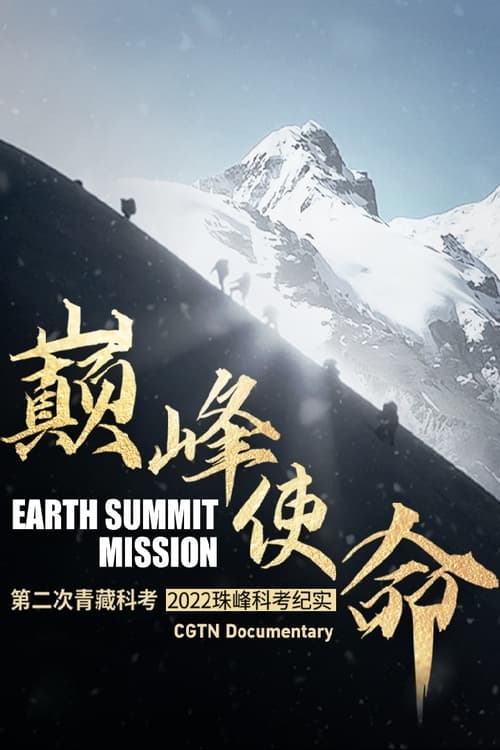
Earth Summit Mission: Second Tibetan Plateau Scientific Expedition and Research Team
2022
No user ratings available yet
Representation score: 1.0 out of 10

Representation Score
Fair
2017
TV-PGDirector
Liesl Clark
Runtime
54 minutes
Average Rating
No ratings yetNew Showbiz Analysis
This documentary prioritizes empirical observation and scientific discovery over character-driven social dynamics. Its primary value lies in its geographical scope, moving the scientific gaze toward the Tibetan Himalayas. While the film avoids a strictly Western-centric perspective by exploring non-Western landscapes, it lacks intentional social subversion. The narrative is dictated by geological and archaeological inquiry rather than human identity. Ultimately, the work functions as an educational tool. It contributes to a globalized understanding of history but remains neutral regarding social and identity-based themes.
Category Breakdown
The documentary focuses on environmental and historical data rather than social identity. There are no visible LGBTQ+ character arcs or narratives exploring non-straight relationships.
The film follows standard professional practices for scientific programming. There is no evidence of a deliberate subversion of gender hierarchies or specific focus on gendered power dynamics.
The setting in the Tibetan Himalayas necessitates engagement with local ethnic identities. Centering non-Western geography and local expertise provides a meaningful departure from Eurocentric exploration clichés.
The narrative shifts the lens toward globalized scientific inquiry by focusing on Tibetan high-altitude caves. It engages with non-Western historical sites and potential spiritual or archaeological contexts.
There is no discernible focus on neurodivergence or physical disability. The physical demands of high-altitude exploration may limit opportunities for nuanced representation in this setting.
Present on Screen
Limited or Absent
Official Synopsis
A team of scientists and explorers probe high altitude caves in the Tibetan Himalayas.
2022
2021

2003

2020

2020

2013

2001

2013
No reviews yet. Be the first to share your thoughts on this movie!
Use the rating form above to leave a star rating and optional review.