
The Monster
1994
No user ratings available yet
Representation score: 4.2 out of 10

Representation Score
Good
1984
RDirector
Nanni Moretti
Runtime
96 minutes
Average Rating
No ratings yetNew Showbiz Analysis
Nanni Moretti’s *Bianca* is a character-driven film that successfully dismantles the archetype of the competent male protagonist. By depicting Michele as emotionally unstable and neurotic, the film challenges traditional notions of masculinity and strength. However, the film’s scope is limited to a homogeneous social class in Rome, lacking engagement with racial, ethnic, or LGBTQ+ diversity. It serves more as a personal psychological portrait than a broader social commentary. Ultimately, the film’s value lies in its exploration of secular morality and individual neuroses. While it lacks a broad range of demographic representation, it offers a nuanced look at personal existentialism and the subversion of traditional romantic dynamics.
Category Breakdown
The film adheres to a strictly heterosexual framework, focusing solely on the romantic relationship between Michele and Bianca without any representation of same-sex intimacy or non-binary gender identities.
Michele defies the typical masculine hero stereotype by being neurotic and emotionally unstable. Bianca, on the other hand, plays a crucial role by providing stability and active involvement in the plot.
The story is deeply rooted in a homogeneous middle-class Roman milieu. The cast and setting reflect the specific Italian social landscape of the 1980s without diverse ethnic integration.
The film emphasizes secularism and personal emotional experiences over religious doctrine. It employs irony to critique traditional social expectations and institutional stability with a detached, postmodern perspective.
The film delves into psychological fragility through Michele’s eccentricities and neuroses. Although these traits are central to his identity, they lack the active role found in more inclusive representations.
Present on Screen
Limited or Absent
Official Synopsis
Michele, a young mathematics professor, moves into a new flat. Lonely, depressed and neurotic, he spends his time obsessively monitoring the couples around him, especially his neighbors, a young pair struggling to make their relationship work. When Bianca, a new teacher at the local high school, enters his life, Michele finds himself falling in love. At the same time, a string of murders rocks the neighborhood, casting suspicion on him.
1994

1991

1985

1990

1994

1983
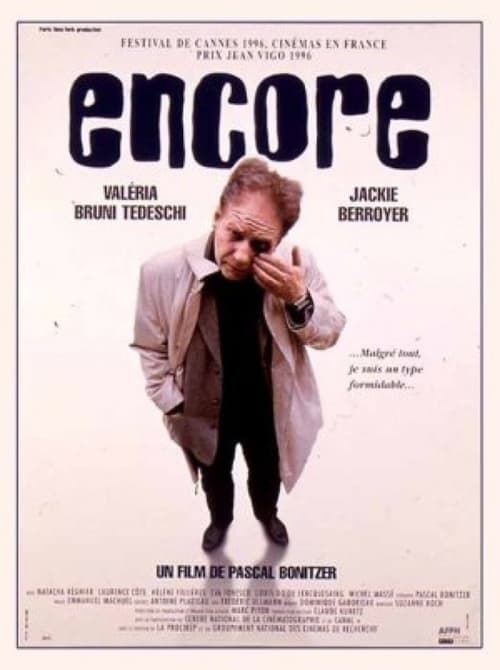
1996

2015
No reviews yet. Be the first to share your thoughts on this movie!
Use the rating form above to leave a star rating and optional review.