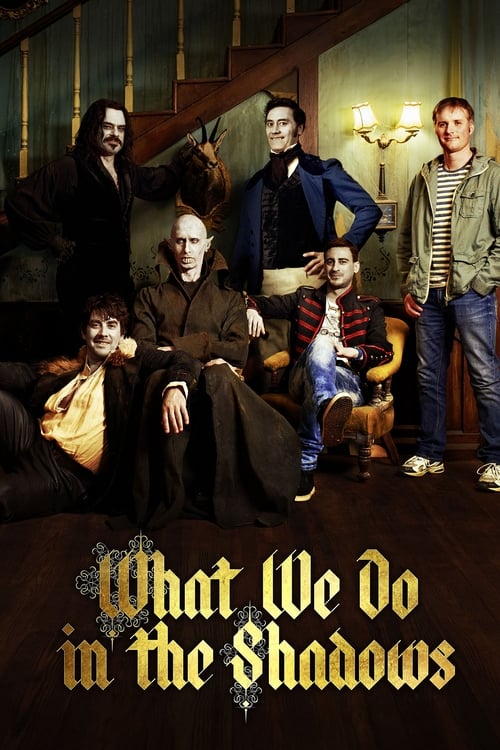
What We Do in the Shadows
2014
No user ratings available yet
Representation score: 4.7 out of 10
Representation Score
Fair
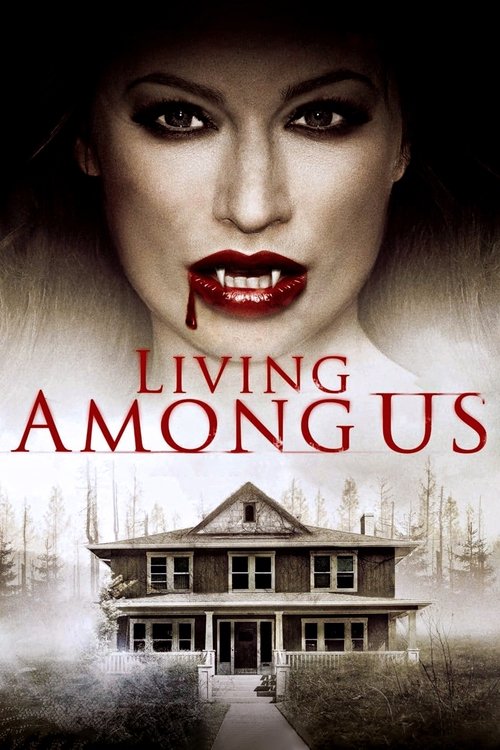
2018
TV-MADirector
Brian A. Metcalf
Runtime
87 minutes
Average Rating
No ratings yetNew Showbiz Analysis
Living Among Us uses vampires as a metaphor to explore the experience of underrepresented groups entering the public sphere. The film serves as a speculative social study, using genre-based metaphors to examine the friction of coexistence. While the narrative aims to disrupt social homogeneity, it lacks explicit markers of diverse identities. The film offers thematic depth about 'the other' without providing complex, character-driven ability to act for specific underrepresented identities. Ultimately, the work successfully uses speculative biology to mirror social integration struggles, even if it doesn't directly represent specific human demographics.
Category Breakdown
The film uses vampires as a metaphor for non-normative identities but doesn't show any specific LGBTQ+ characters or relationships.
The story focuses on interactions between species rather than individual gender dynamics. There are no specific subversions of traditional gender roles.
Vampires act as a metaphor for minority groups seeking social acceptance. The film reflects real-world discussions about integration and visibility.
The documentary format examines the breakdown of human norms and the conflict of a new social order. It centers on the deconstruction of normalcy.
The narrative does not mention characters dealing with physical, neurodivergent, or sensory disabilities.
Present on Screen
Limited or Absent
Official Synopsis
Vampires have just made themselves public! Now a group of documentarians have been granted access to spend some time with them and learn how they live and coexist with humans. But as reality sets in, the crew realize they are in for far more than they bargained for.
2014
1995
2005
1992
2007
2011
2001
2010
No reviews yet. Be the first to share your thoughts on this movie!
Use the rating form above to leave a star rating and optional review.