
Underworld: Awakening
2012
No user ratings available yet
Representation score: 2.8 out of 10
Representation Score
Fair
2010
RDirector
Michael Spierig, Peter Spierig
Runtime
98 minutes
Average Rating
No ratings yetNew Showbiz Analysis
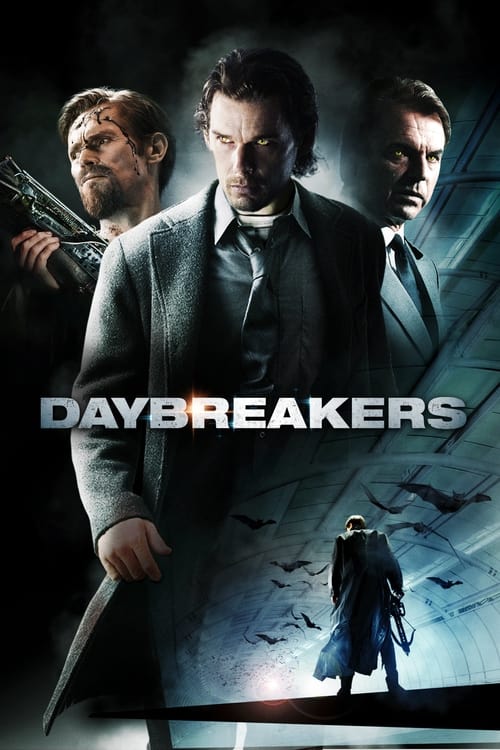
Daybreakers is a genre-driven film that prioritizes systemic critique over demographic representation. It excels in deconstructing institutional power and corporate malfeasance, using the vampire-human conflict as a metaphor for capitalist exploitation. However, the film remains within conventional boundaries regarding individual identity politics. It lacks meaningful representation for LGBTQ+ individuals, people with disabilities, and diverse racial narratives, focusing instead on a species-based hierarchy. Ultimately, the film's progressive intent is found in its challenge to social contracts and corporate structures rather than its approach to identity-based diversity.
Category Breakdown
The film does not include any LGBTQ+ characters or storylines. It focuses on the biological differences between vampires and humans, which aligns with traditional heterosexual relationships.
The male protagonist, Edward Dalton, takes a leading role in the narrative. While Mia also plays a significant part, the story follows conventional gender roles where men lead in scientific endeavors.
The film emphasizes the biological differences between vampires and humans rather than racial or ethnic diversity. While the cast includes actors from various ethnic backgrounds, the narrative does not highlight these differences.
The film provides a sophisticated critique of Western institutions and capitalism. It uses the metaphor of blood corporations to explore resource exploitation and the dehumanization of workers.
Vampirism is portrayed as a biological transformation rather than a disability. The film does not feature characters whose identities or actions are shaped by physical or cognitive differences.
Present on Screen
Limited or Absent
Official Synopsis
In the year 2019, a plague has transformed almost every human into a vampire. Faced with a dwindling blood supply, the fractured dominant race plots their survival; meanwhile, a researcher works with a covert band of vampires on a way to save humankind.
2012
2006

2002
1998
2004
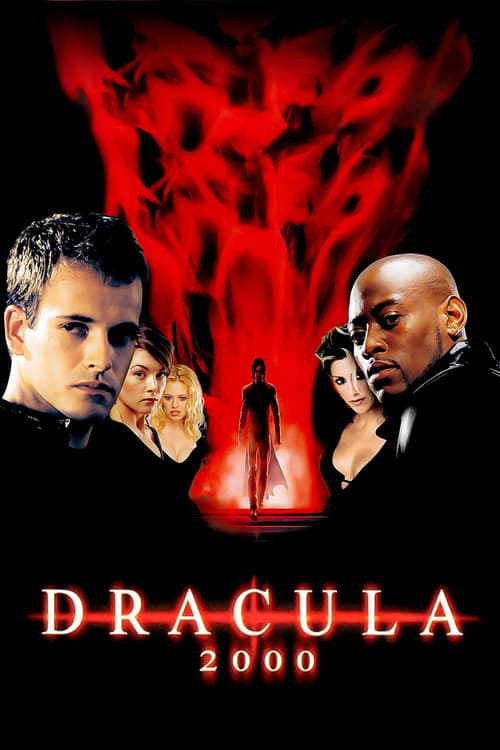
2000
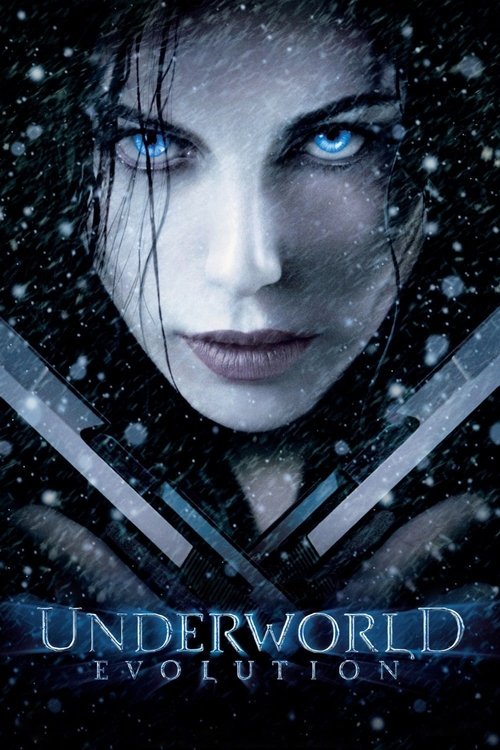
2006
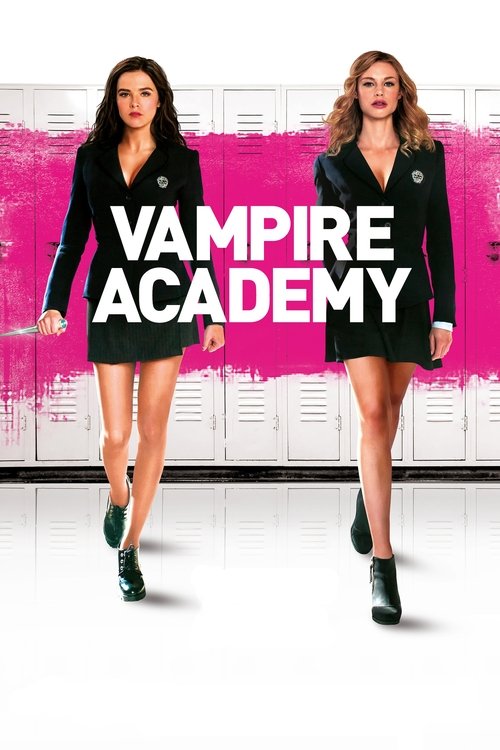
2014
No reviews yet. Be the first to share your thoughts on this movie!
Use the rating form above to leave a star rating and optional review.