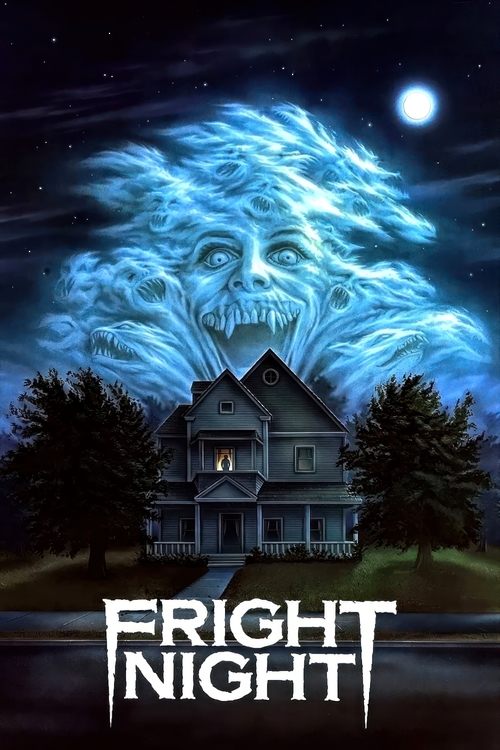
Fright Night
1985
No user ratings available yet
Representation score: 1.6 out of 10
Representation Score
Limited
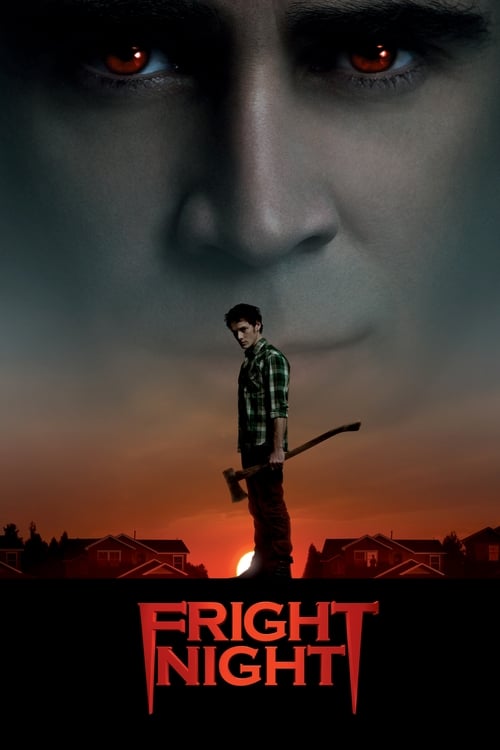
2011
RDirector
Craig Gillespie
Runtime
106 minutes
Average Rating
No ratings yetNew Showbiz Analysis
Fright Night (2011) operates as a genre-standard revival that prioritizes traditional narrative structures. It leans heavily into established horror-comedy clichés without challenging social or identity-based hierarchies. The film maintains a very conventional demographic profile, focusing on a homogeneous suburban setting. This lack of diversity extends to its character archetypes and romantic subplots, which follow traditional cinematic expectations. While the film offers slight improvements in women's ability to drive the story, it ultimately fails to engage with broader systemic critiques or diverse representation, resulting in a narrow social scope.
Category Breakdown
The film follows a conventional framework that assumes everyone is straight and cisgender. There are no non-binary gender identities or same-sex relationships shown in the story.
Amy is shown as an active participant in the main conflict. However, the film upholds traditional masculine roles through the vampire hunter character.
The casting focuses on a homogeneous, suburban population. The story lacks diverse ethnic representation, favoring a localized, Anglo-centric social environment.
The plot explores generational conflicts and family instability. It avoids broader systemic critiques, instead framing the conflict as a simple good-versus-evil battle.
Characters operate within typical physical and cognitive abilities. There is no significant representation of neurodivergent or physical disabilities.
Present on Screen
Limited or Absent
Official Synopsis
A teenager suspects his new neighbour is a vampire. Unable to convince anyone, he tries to enlist the help of a self-proclaimed vampire hunter and magician.
1985
1995
1988

1989
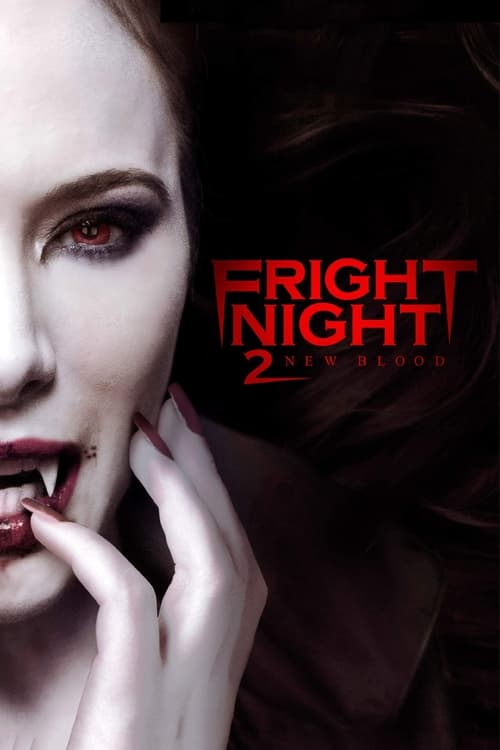
2013
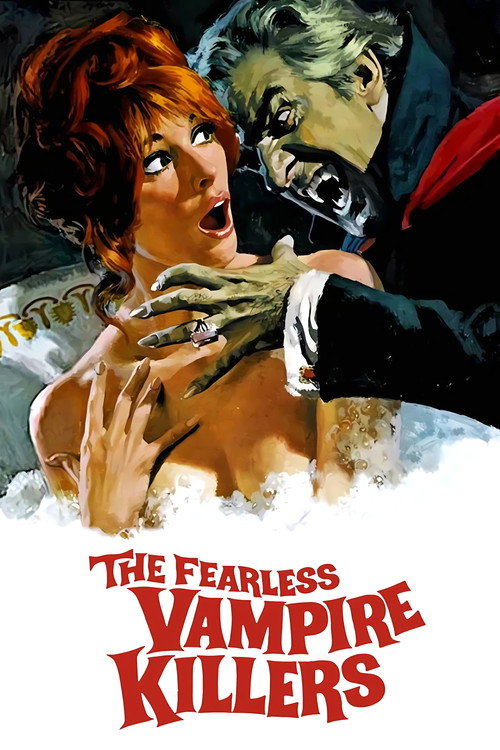
1967
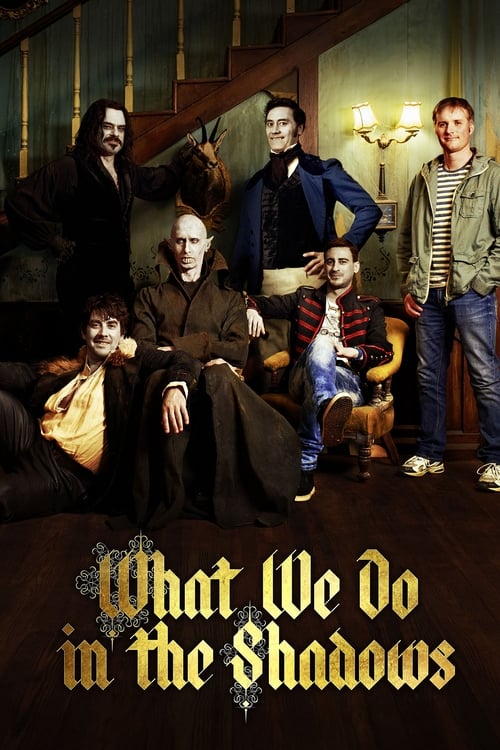
2014
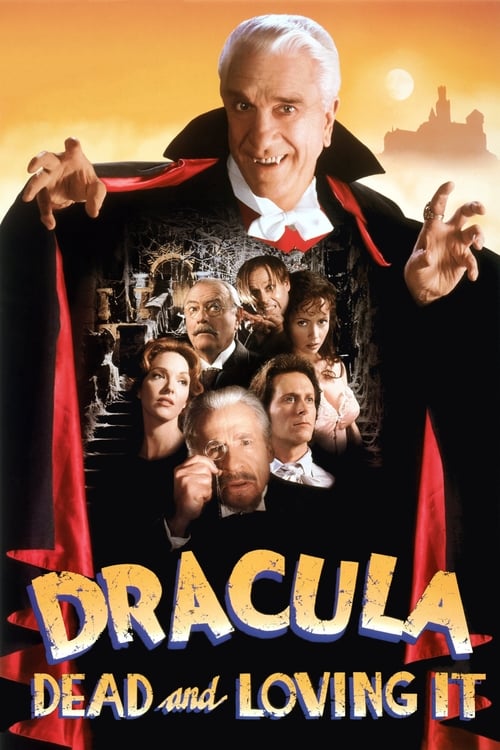
1995
No reviews yet. Be the first to share your thoughts on this movie!
Use the rating form above to leave a star rating and optional review.