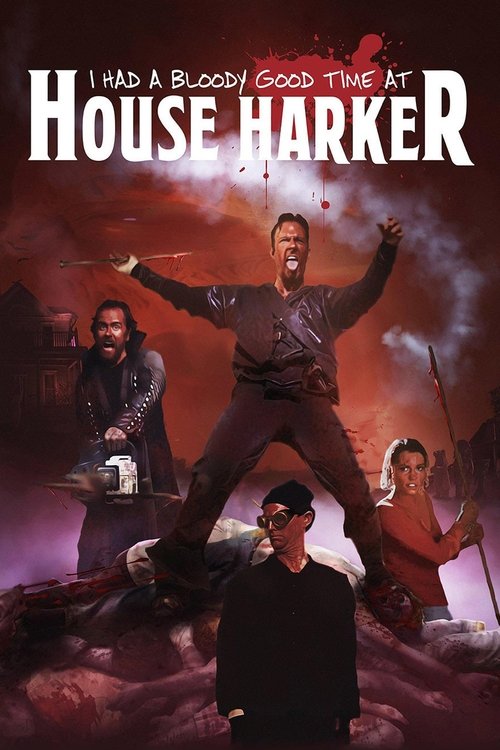
I Had A Bloody Good Time At House Harker
2016
No user ratings available yet
Representation score: 3.5 out of 10
Representation Score
Good
2005
Not RatedDirector
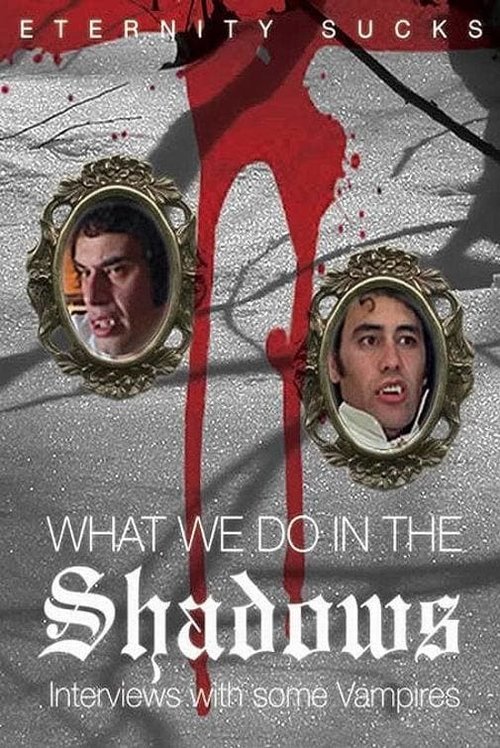
Taika Waititi, Jemaine Clement
Runtime
28 minutes
Average Rating
No ratings yetNew Showbiz Analysis
The film succeeds in deconstructing traditional horror hierarchies by replacing the predator/victim dynamic with a study of domestic dysfunction. It effectively subverts masculine archetypes, presenting powerful creatures as socially inept roommates rather than dominant figures. While the film offers progressive subversions of power and authority, it lacks depth in characters who reflect more than one aspect of diversity. There is a notable absence of dedicated narratives surrounding disability or explicit LGBTQ+ identities. Ultimately, the work achieves a unique perspective by prioritizing a secular, nihilistic view of immortality over grand mythic narratives, using its New Zealand setting to provide a non-Anglo-centric atmosphere.
Category Breakdown
The film includes Viago, a flamboyant 19th-century dandy, showcasing non-traditional gender expression. However, there are no explicit queer-centric plots or overt romantic subplots involving same-sex intimacy.
Masculinity is challenged by depicting ancient predators through domestic incompetence and trivial disputes. This humorous approach replaces stoic, dominant leaders with characters defined by social ineptitude.
Set in Wellington, New Zealand, the film uses a localized lens that avoids Hollywood's white-centric horror traditions. The regional setting provides an authentic perspective that challenges North American cinematic norms.
The mockumentary format shifts the focus from good versus evil to situational ethics and the banality of existence. Characters operate outside conventional religious or patriotic frameworks.
The film lacks meaningful representation of visible or invisible disabilities. Characters are defined by their supernatural status rather than neurodivergence or physical impairment.
Present on Screen
Limited or Absent
Official Synopsis
Who says being an undead creature of the night is easy? With that in mind, three ancient friends—centuries-old vampires Vulvus, the romantic and temperamental Lord Byron wannabe; Viago, the flamboyant 19th-century dandy; and Deacon, the rebellious 107-year-old youngster—invite a documentary crew to shed light on a vampire’s daily life. Starting from the fateful day of their eternal transformation, these modern-day blood-suckers don’t shy away from answering deeply personal questions about their quirky flatmate situation—after all, this is an interview, not just an excuse for a quick bite.Will we ever truly find out what vampires do in the shadows?
2016
2013

2003
2023
2008
1995

2019
1997
No reviews yet. Be the first to share your thoughts on this movie!
Use the rating form above to leave a star rating and optional review.