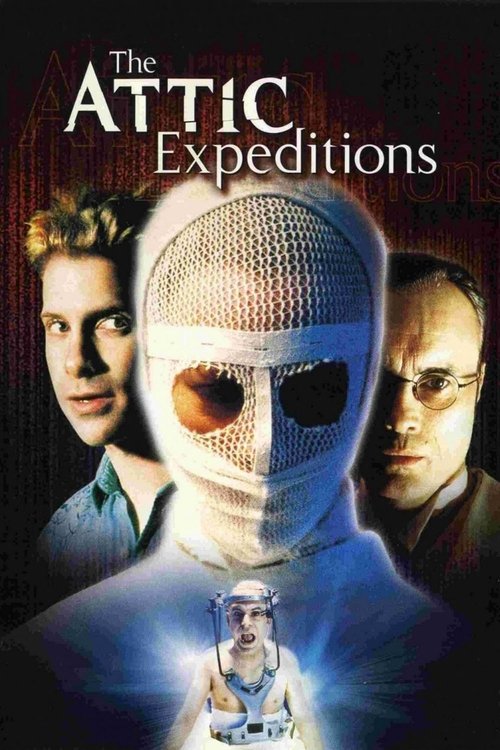
The Attic Expeditions
2001
No user ratings available yet
Diversity score: 3.9 out of 10
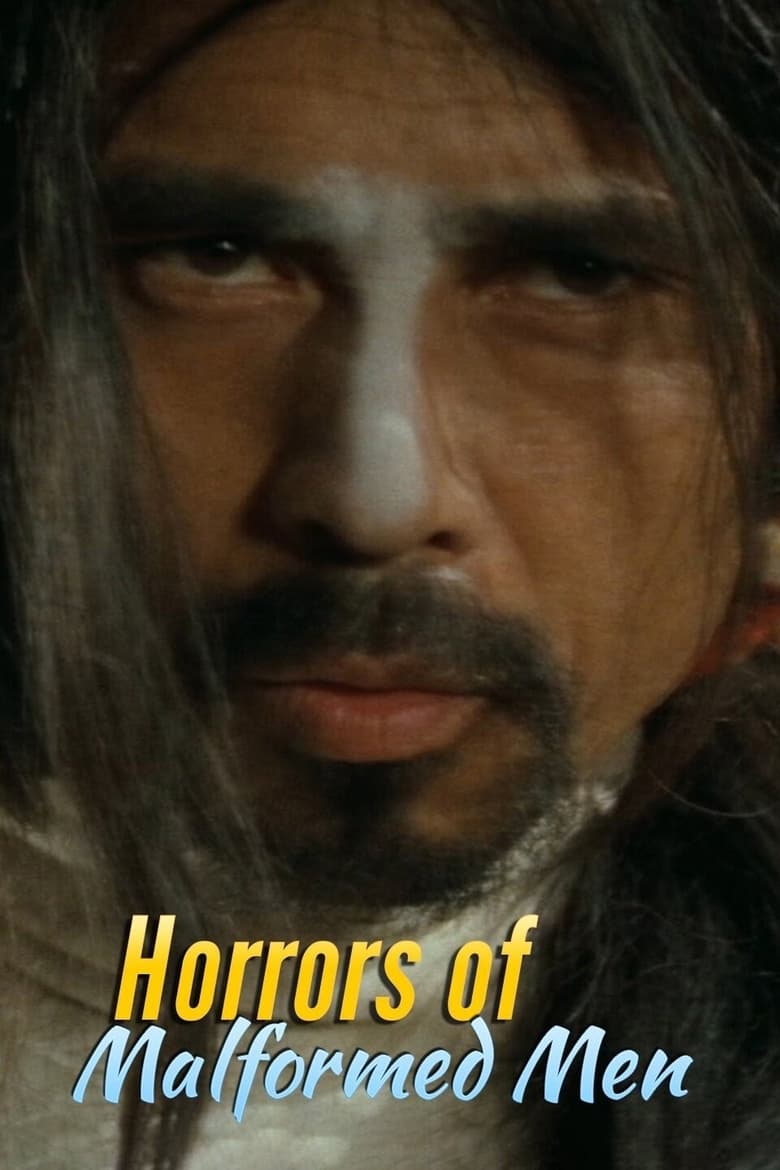
1969
Not RatedDirector
Teruo Ishii
Runtime
99 minutes
Average Rating
No ratings yetSynopsis
After escaping from an insane asylum, a medical student assumes the identity of a mysterious dead man, who appears to be his doppelganger, and gets lured to a sinister island ruled by a mad scientist and his malformed men.
Overall Score
Fair
Category Breakdown
LGBTQ+ Representation
The narrative focuses on deviant sexual obsessions rather than queer identities. It lacks explicit depictions of non-cisnormative gender identities or romantic queer narratives.
Gender Representation
The film disrupts traditional hierarchies by replacing stable masculine leadership with madness and scientific obsession. However, women often function as objects of desire or victims rather than plot drivers.
Racial & Ethnic Diversity
Set within a stylized Japanese context, the film maintains a homogeneous ethnic profile. It lacks the intersectional racial dynamics found in more globalized or Western-centric narratives.
Religious & Cultural Diversity
The film excels at deconstructing traditional social and moral institutions. It rejects singular moralities in favor of a chaotic, non-linear reality where authority figures are inherently destabilizing.
Disability Representation
Physical deformity and bodily divergence serve as the central motifs of the film. While these characters drive the surrealist reality, their traits are often utilized primarily for grotesque horror.
Strengths
Areas for Improvement
AI Analysis
Teruo Ishii’s work is a transgressive piece of 'Ero Guro' cinema that prioritizes the subversion of the body over demographic variety. It succeeds in dismantling the conservative social and patriarchal structures of the 1960s by presenting a world of madness and transactional dynamics. However, the film remains limited by its narrow focus. It lacks queer-coded narratives and racial intersectionality, remaining culturally specific to a homogeneous Japanese setting. The representation of disability is central to the aesthetic but remains tied to the mechanics of horror. Ultimately, the film is a significant departure from mainstream standards, offering a radical subjectivity that challenges the concept of the 'normative' body and social order.
2001
1974
2007
1964

1997

1971
1975
1955
1975
1973

1988

1977
No reviews yet. Be the first to share your thoughts on this movie!
Use the rating form above to leave a star rating and optional review.