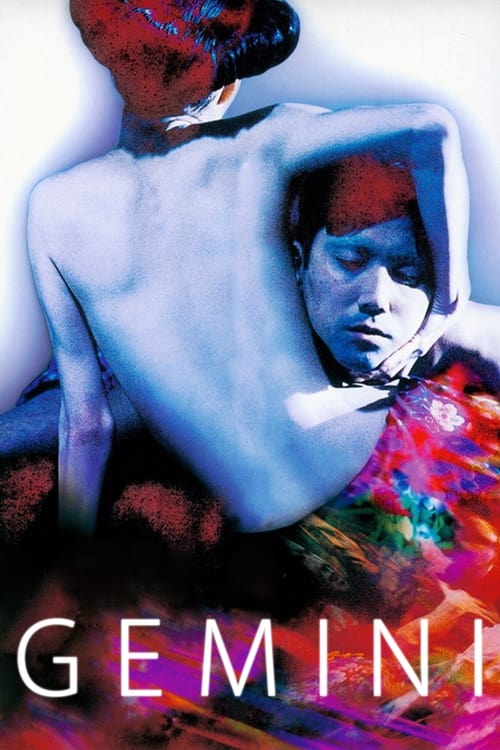
Gemini
1999
No user ratings available yet
Representation score: 5.9 out of 10

Representation Score
Good
1988
Director
Toshio Matsumoto
Runtime
109 minutes
Average Rating
No ratings yetNew Showbiz Analysis
Toshio Matsumoto’s film serves as a psychological journey that prioritizes personal experience over objective reality. Its strength lies in its exploration of identity as a fluid and unstable concept rather than a fixed entity. The narrative structure challenges traditional views and critiques institutional authority. While the film lacks direct representations of diverse identities, its narrative approach is progressive, rejecting objective truths and questioning established systems.
Category Breakdown
The film explores the idea of a changing self and fluid identity. Though it doesn't show same-sex relationships directly, it challenges the stability of traditional roles and relationships.
The film disrupts traditional gender hierarchies by showing the collapse of a marriage ritual. It challenges the idea of a stable female counterpart and questions the rationality of masculine ideals.
The film reflects the specific demographics of Japan in 1988. It offers a non-Western perspective on horror, moving away from the typical Hollywood clichés of the time.
The film effectively breaks down institutional authority and systemic power. It presents medical and family structures as ambiguous and potentially manipulative, creating a sense of existential dread and moral ambiguity.
The film centers on the protagonist's psychological fragmentation and loss of control in an asylum. It treats mental health issues and neurodivergence as key elements of the story.
Present on Screen
Limited or Absent
Official Synopsis
A young man murders his new bride and goes insane. He wakes in an asylum with no memory, left in the hands of two mysterious doctors who relate his condition with his biological identity.
1999

1997

1969

2004

1982

1988

1996

2006
No reviews yet. Be the first to share your thoughts on this movie!
Use the rating form above to leave a star rating and optional review.