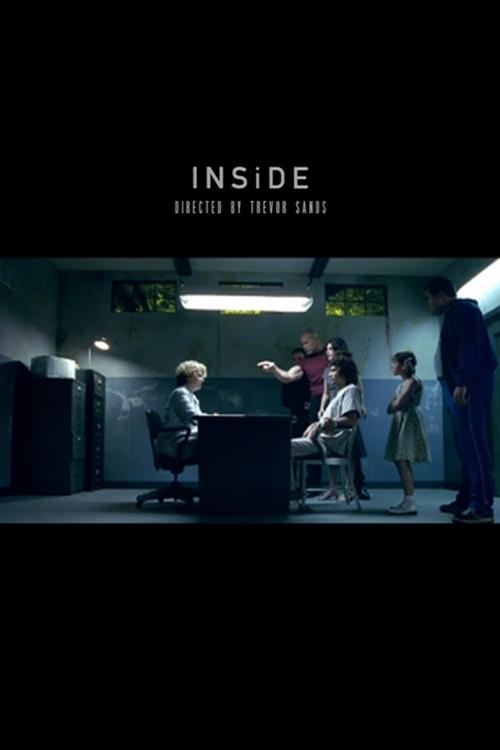
Inside
2002
No user ratings available yet
Representation score: 5.3 out of 10
Representation Score
Fair
2001
RDirector
Jeremy Kasten
Runtime
100 minutes
Average Rating
No ratings yetNew Showbiz Analysis
The film functions as a genre-driven psychological mystery that prioritizes suspense and individual trauma over social critique. While it disrupts traditional hero narratives by focusing on systemic victimization, it lacks intentional demographic diversity. The narrative structure relies heavily on established horror clichés, such as male aggression and institutional corruption, which drive the plot but do not actively challenge existing social or cultural hierarchies. Ultimately, the work lacks the explicit multi-layered complexity required for a higher diversity rating, focusing instead on the protagonist's cognitive instability and the mystery of the occult.
Category Breakdown
The story focuses on a romantic relationship between Trevor and Faith. There is no indication of non-binary gender identities or criticism of the assumption that everyone is straight.
The plot relies on traditional horror themes, emphasizing male aggression and conflict. The female character primarily serves as a passive element in the central mystery.
The film lacks visible signs of racial or ethnic diversity. There is no specific mention of a non-Anglo-Saxon majority or intentional casting that reflects multiple aspects of identity.
The film critiques institutional authority through its portrayal of a corrupt rehabilitation community. However, it relies on traditional occult clichés rather than a deeper exploration of religious institutions.
Themes of medical vulnerability emerge through the protagonist's coma and rehabilitation. These states serve as plot devices for disorientation rather than meaningful representation of disability.
Present on Screen
Limited or Absent
Official Synopsis
Trevor Blackburn is accused of murdering his girlfriend, Faith, in a brutal ritual. He's sentenced to live in an experimental rehabilitation community and falls into a coma. When he wakes up, he meets the mysterious Dr. Ek, who tortures Trevor in an attempt to learn the whereabouts of a powerful occult book. As other patients start to disappear, Trevor begins to wonder who and where he really is.
2002
1972

2014
2010
1995

1962

2012
2011
No reviews yet. Be the first to share your thoughts on this movie!
Use the rating form above to leave a star rating and optional review.