
L’homme atlantique
1981
No user ratings available yet
Diversity score: 7.2 out of 10
1976
Director
Marguerite Duras
Runtime
114 minutes
Average Rating
No ratings yetSynopsis
The full soundtrack to Marguerite Duras' 1975 film India Song, about a French ambassador's wife in 1930s India, is here repurposed with all new cinematography. As we hear all the dialogue of a bygone movie, we travel visually through images of absence and decay, bereft of life. It's the ghost of a film, and a further commentary on colonialism.
Overall Score
Good
Category Breakdown
LGBTQ+ Representation
The film utilizes a dreamlike framework that prioritizes internal desire over explicit archetypes. While it avoids traditional heteronormative plot beats, it lacks clear evidence of specific non-cisnormative identities or explicit intimacy.
Gender Representation
Duras excels at subverting traditional hierarchies by centering female subjectivity. The narrative prioritizes female consciousness and desire, effectively deconstructing the role of women as passive objects within a colonial setting.
Racial & Ethnic Diversity
The work provides a significant commentary on the decay of colonial structures in India. Its imagery of absence and decay functions as a critique of Western hegemony and historical erasure.
Religious & Cultural Diversity
The film aligns with progressive values through its deconstruction of Western institutions. It frames the traditional Western presence as a decaying, hollowed-out structure through a postmodern lens.
Disability Representation
There is no discernible evidence regarding the portrayal of physical or neurodivergent disabilities within the film's stylistic overview.
Strengths
Areas for Improvement
AI Analysis
Marguerite Duras' experimental work is a sophisticated exercise in narrative deconstruction. It achieves its impact by intellectually disrupting traditional gender roles and offering a sharp post-colonial critique of Western imperial structures. The film's strength lies in its ability to challenge the male gaze and the visual dominance of the colonial era. By focusing on the 'ghost' of a bygone era, it critiques the hollowed-out nature of Western hegemony. However, the highly experimental and non-linear nature of the film limits the visibility of specific demographic groups. The focus on sensory experience and fragmented longing often obscures explicit character agency and identity.
1981
1977
1978
1971
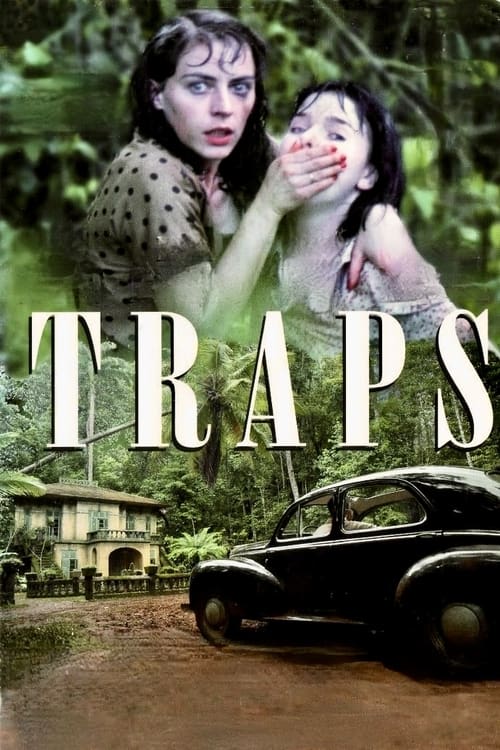
1994
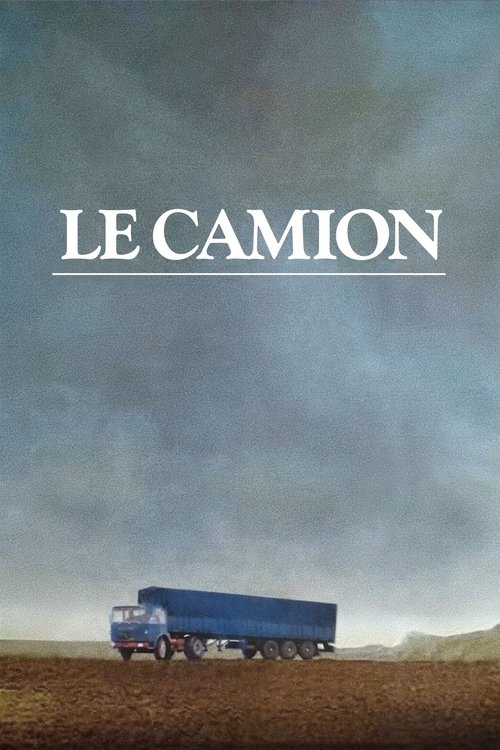
1977
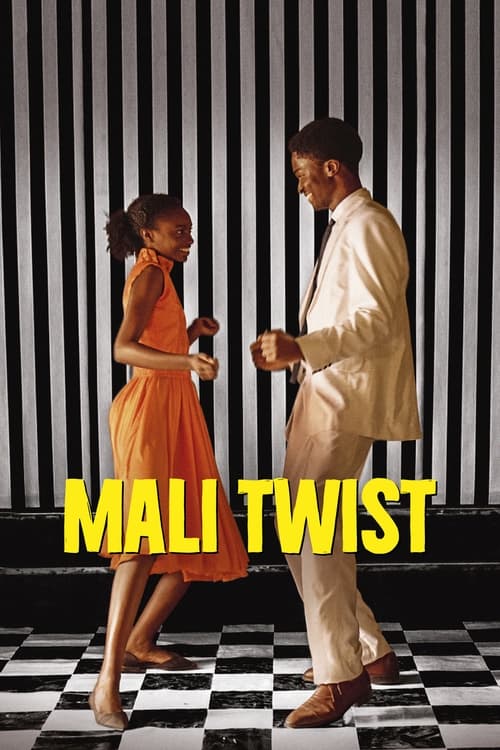
2022

1968
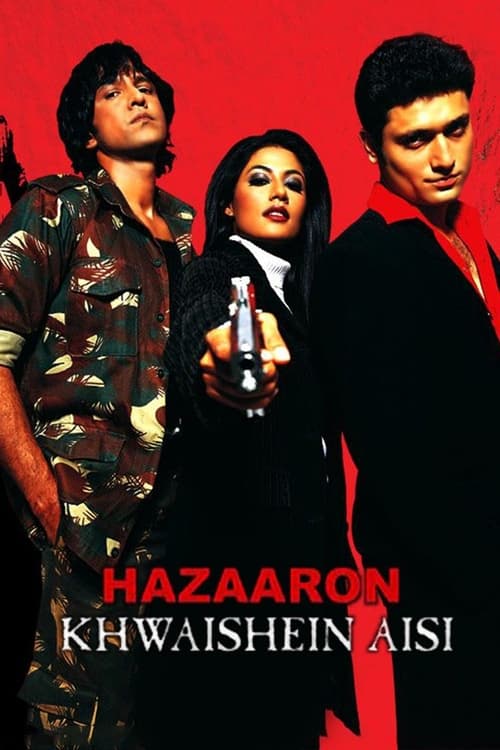
2005
1992
1975

2023
No reviews yet. Be the first to share your thoughts on this movie!
Use the rating form above to leave a star rating and optional review.