My Father, the Genius
2002
No user ratings available yet
Representation score: 5.2 out of 10
Representation Score
Limited
2003
Director
Nathaniel Kahn
Runtime
116 minutes
Average Rating
No ratings yetNew Showbiz Analysis
Nathaniel Kahn’s documentary is a deeply personal exploration of a troubled father-son relationship. It avoids the typical hagiographic portrayal of a celebrated figure, focusing instead on the moral complexities and failures of a renowned architect. The film gains strength from its global perspective, showcasing the cultural impact of Kahn's work in South Asia. However, it remains limited by its focus on a traditional patriarchal lineage. Female characters lack significant roles, and there is no representation of LGBTQ+ identities or disabilities.
Category Breakdown
The film focuses on a traditional family structure without including any LGBTQ+ themes or non-cisgender identities.
The story centers on the experiences of men as fathers and sons. Women are shown mainly in relation to the male characters and do not have significant roles in driving the plot.
The film offers meaningful representation by featuring Indian architecture and landscapes, including local workers, thus providing a non-Western perspective.
The film explores the idea of illegitimate children and post-colonial themes through Kahn's work in India, challenging idealized views of the nuclear family.
There are no prominent depictions of physical or neurodivergent disabilities in the film.
Present on Screen
Limited or Absent
Official Synopsis
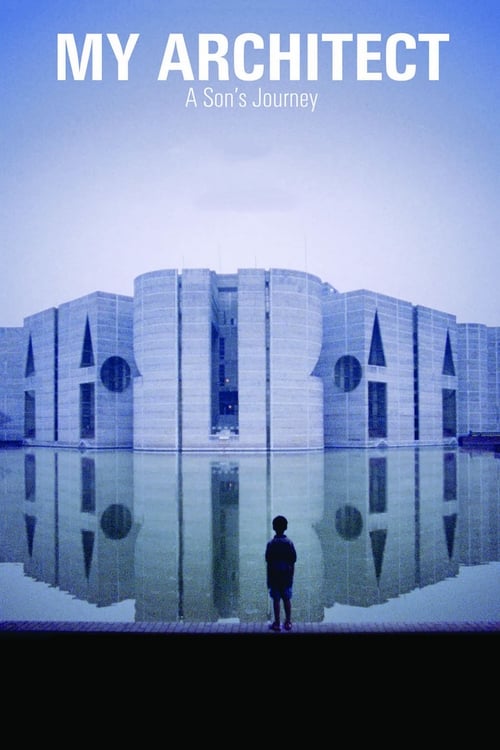
World-famous architect Louis Kahn (Exeter Library, Salk Institute, Bangladeshi Capitol Building) had two illegitimate children with two different women outside of his marriage. Son Nathaniel always hoped that someday his father would come and live with him and his mother, but Kahn never left his wife. Instead, Kahn was found dead in a men's room in Penn Station when Nathaniel was only 11.
2002

2011
2008

2018
2007

2011
2015
2010
No reviews yet. Be the first to share your thoughts on this movie!
Use the rating form above to leave a star rating and optional review.