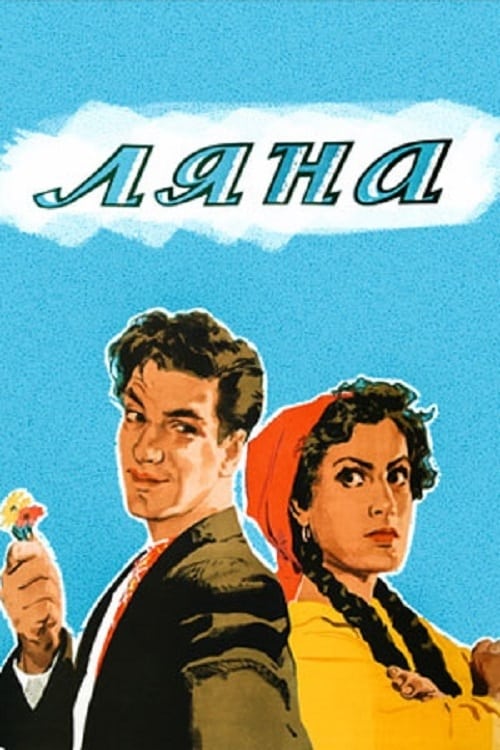
Lyana
1955
No user ratings available yet
Representation score: 4.4 out of 10

Representation Score
Limited
1934
Director
Ihor Savchenko
Runtime
66 minutes
Average Rating
No ratings yetNew Showbiz Analysis
Accordion is a product of its specific historical era, prioritizing sociopolitical mobilization over diverse social representations. The film succeeds in promoting collectivist values and dismantling traditionalist social hierarchies through music. However, the narrative lacks diversity in modern terms. It focuses on a homogeneous rural demographic and male-driven leadership, offering little representation for LGBTQ+ identities, various ethnicities, or people with disabilities. Ultimately, the film serves as a snapshot of early Soviet ideological cinema, where communal identity and class struggle take precedence over individual or diverse social representations.
Category Breakdown
The film does not include any non-straight relationships or same-sex intimacy. It focuses on traditional social structures and communal youth organizations.
Leadership is portrayed through a masculine lens, emphasizing Timosha's role in the Komsomol. Masculinity is linked to social responsibility and ideological alignment rather than challenging traditional hierarchies.
The film depicts a relatively homogeneous rural population. Class-based conflicts are highlighted instead of ethnic or racial diversity.
Collectivist ideals are emphasized through traditional, mournful folk expressions being seen as obstacles to progress. The narrative prioritizes a new, organized social order over older, localized hierarchies.
There are no characters with visible or invisible disabilities in the narrative.
Present on Screen
Limited or Absent
Official Synopsis
Igor Savchenko's Accordion (Garmon', 1934) was adapted from a poem by A. Zharov. This film sheds light on the reasons why the mass song came into being. In it, the country boy Timosha stops playing the accordion after being chosen leader of the local Komsomol. When he understands that he must compete with the sad kulak songs played by Tlskliby ("Mournful"), he recognizes his mistake in abandoning his accordion, and in the end he gathers the other youths around him with his lively and merry songs.
1955

1930

1938
2004

1959
1955
1960
1974
No reviews yet. Be the first to share your thoughts on this movie!
Use the rating form above to leave a star rating and optional review.