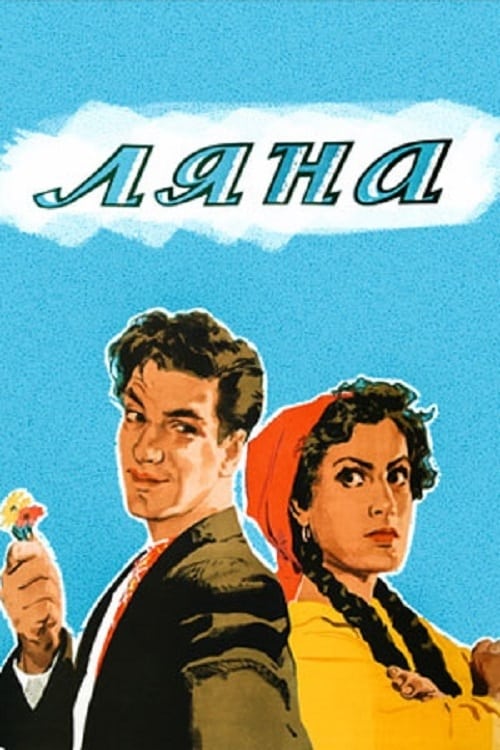
Lyana
1955
No user ratings available yet
Representation score: 4.4 out of 10

Representation Score
Limited
1959
Director
Maksim Ruf
Runtime
94 minutes
Average Rating
No ratings yetNew Showbiz Analysis
The Quarrel in Lukashi is a culturally specific film that emphasizes socioeconomic identity and collective social dynamics. It operates through the lens of socialist realism, focusing on the tension between personal dreams and social utility. Though the film lacks modern multi-layered elements like LGBTQ+ or multi-ethnic representation, it effectively critiques individualistic hierarchies. Its narrative structure promotes communal, non-capitalist social structures. Ultimately, the film's strength lies in its focus on the working class, yet it remains confined by the social norms of the time.
Category Breakdown
The film follows the social norms of 1959 and does not include any non-binary gender identities or same-sex relationships.
Lisa's desire for urban life contrasts with her rural reality, exploring women's ability to drive the story. However, the story stays within the traditional storytelling of the mid-1950s.
The story focuses on a Slavic/Eastern European rural community, emphasizing the laborer and peasant experience without a multi-ethnic cast.
The film aligns with collectivist values by highlighting mechanics and villagers, disrupting Western hierarchies with communal values and social roles.
There is no depiction of physical or neurodivergent disabilities in the narrative.
Present on Screen
Limited or Absent
Official Synopsis
Victor Ace loves to sing, but is forced to become a car mechanic. Lisa dreams of urban life, but lives in a village. Kostya Lastochkin is an excellent mechanic, but he serves in the army and comes home only on vacation.
1955
1963

1934
1962
1974
1960
1967
1966
No reviews yet. Be the first to share your thoughts on this movie!
Use the rating form above to leave a star rating and optional review.