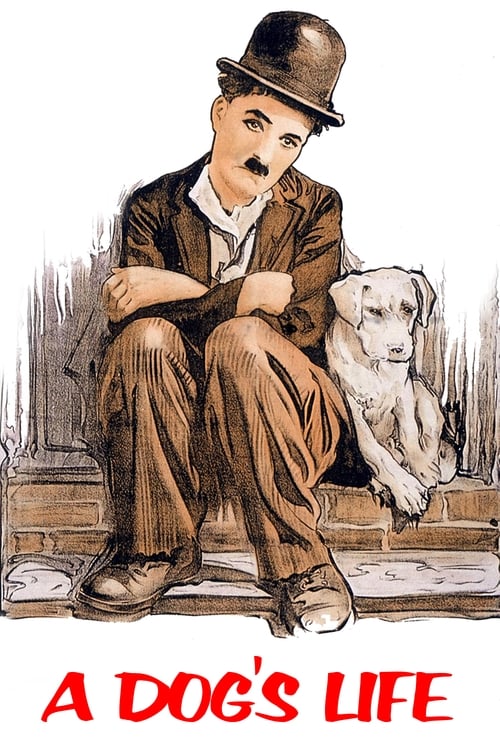
A Dog's Life
1918
No user ratings available yet
Representation score: 3.6 out of 10

Representation Score
Minimal
1927
PassedDirector
Frank Urson
Runtime
60 minutes
Average Rating
No ratings yetNew Showbiz Analysis
Almost Human is a silent-era comedy-drama that follows the conventional social structures of 1927. The plot relies on well-known themes of class distinction and romantic vulnerability, mainly through its canine characters. The film lacks meaningful representation of racial, ethnic, or LGBTQ+ identities, presenting a largely homogeneous world. While it touches on the struggles of poverty through Mary Kelly, it does so using traditional storytelling methods rather than challenging ones. Overall, the film serves as a typical period piece, emphasizing moral storytelling and class-based drama over any challenge to the social or gender norms of its era.
Category Breakdown
The film focuses on canine relationships and traditional romance stories. It does not include any depictions of non-straight or non-cisgender identities.
Maggie Mutt faces challenges due to male dominance but shows strength in raising her puppy. However, the plot reinforces traditional gender roles.
The story centers around a uniform social setting with no evidence of diverse racial or ethnic backgrounds.
The film examines class differences between a rich man and a poor waif. It uses traditional moral themes rather than a critical look at societal structures.
There is no visible representation of physical, sensory, or neurodivergent disabilities in the narrative.
Present on Screen
Limited or Absent
Official Synopsis
John Livingston is a rich mama's-boy, who owns a blooded dog named Paul. Paul meets Maggie Mutt, and Paul, being a pedigree canine and somewhat of a cad, lures trusting Maggie to the barn to have his way. He then departs for his palatial doghouse at the Livingston estate. Meanwhile Maggie is broken-hearted and also finds that she is in a "family way", and gives birth to a pup she names Hank. Maggie tells Hank to find his "human ", and departs the scene. Hank goes to the park, meets a "human" named Mary Kelly, who is a homeless waif and sweetheart of poverty, and the two adopt each other. Later on in the park Paul comes strolling along with his 'human', John. A child falls into the lake and Paul and Hank team up to save her.
1918
2019

2011
1925
1931

1927

1962

1971
No reviews yet. Be the first to share your thoughts on this movie!
Use the rating form above to leave a star rating and optional review.