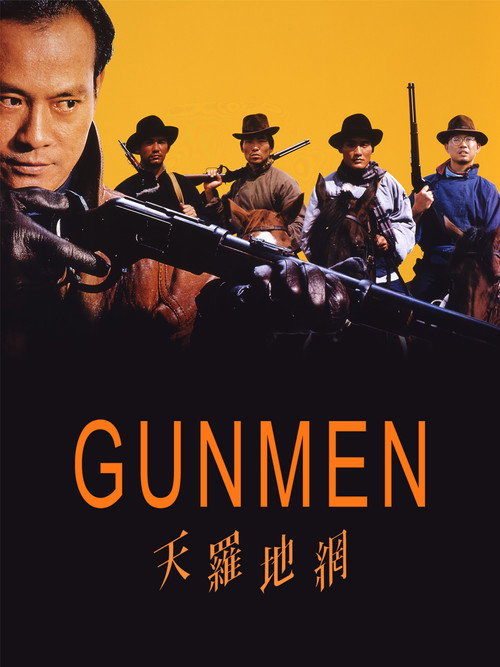
Gunmen
1988
No user ratings available yet
Representation score: 1.7 out of 10

Representation Score
Limited
1992
Director
Tony Lou Chun-Ku
Runtime
85 minutes
Average Rating
No ratings yetNew Showbiz Analysis
Mission of Justice operates within the typical parameters of 1990s action cinema. The story focuses on institutional authority and traditional conflict resolution, limiting its exploration of diverse identities. While the Southeast Asian setting provides a basis for ethnic diversity, the film does not delve into complex cultural critiques. It leans into established genre clichés rather than challenging social hierarchies. The production adheres to conventional masculine archetypes and traditional gender roles. This results in a narrative that emphasizes physical strength and state-sanctioned justice over diverse representation.
Category Breakdown
The film does not include any characters with non-binary genders or same-sex relationships. It focuses on law enforcement and organized crime, suggesting a traditional perspective on relationships.
The story centers on two agents who dismantle a criminal syndicate. It seems to prioritize traditional masculine traits such as authority and physical strength over diverse gender roles.
The film is set in the Golden Triangle, which requires a diverse cast. However, it is unclear if the film provides meaningful roles for ethnic characters or relies on stereotypes.
The plot follows a traditional moral binary where law is pitted against chaos. The narrative supports the restoration of order through state-sanctioned actions, rather than exploring moral relativism.
There are no visible or invisible disabilities among the main characters. The synopsis does not indicate any characters dealing with disabilities.
Present on Screen
Limited or Absent
Official Synopsis
Two agents are assigned to break up a gang involved in counterfeiting, slavery and drug smuggling.
1988

2013
1973

1992

1993
1978
1972

1992
No reviews yet. Be the first to share your thoughts on this movie!
Use the rating form above to leave a star rating and optional review.