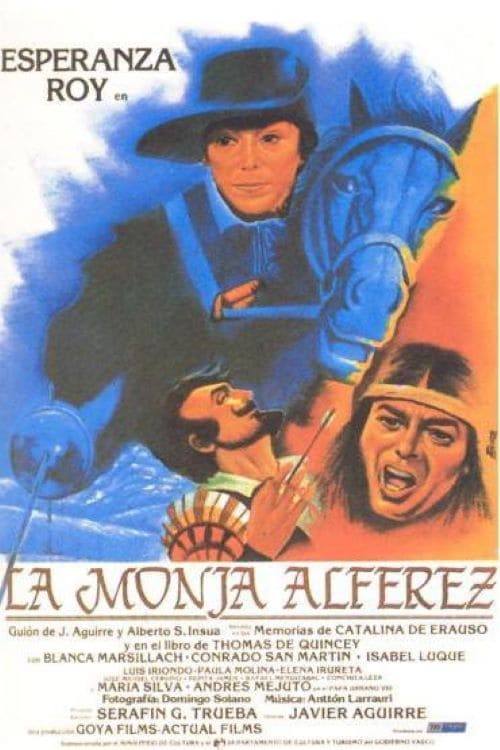
La monja alférez
1987
No user ratings available yet
Representation score: 5.8 out of 10
Representation Score
Fair
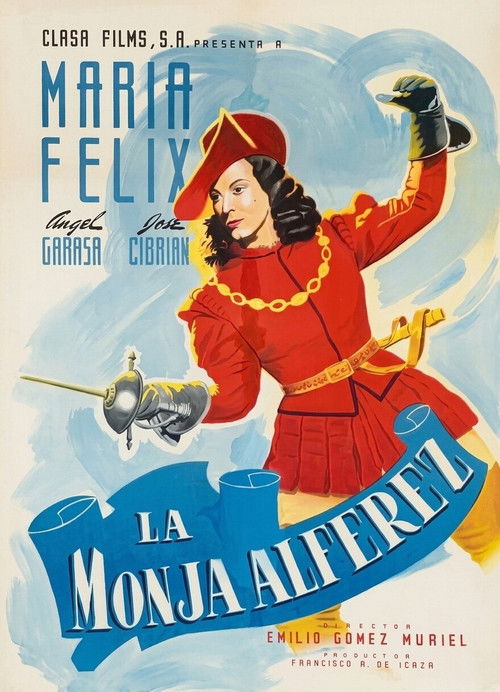
1944
PGDirector
Emilio Gómez Muriel
Runtime
88 minutes
Average Rating
No ratings yetNew Showbiz Analysis
La monja alférez stands out for its proactive female lead who rejects passive roles typically assigned to women in historical dramas. By mastering fencing and successfully living as a man, the protagonist asserts control against restrictive social structures. While the film lacks modern depth regarding race or disability, it offers a compelling look at gender transgression. The tension between the protagonist's lived truth and the religious authority she recounts her life to provides a unique moral framework. Ultimately, the film's strength lies in its subversion of gendered expectations, providing a progressive historical template for female autonomy.
Category Breakdown
The film features a protagonist who adopts a male identity to navigate social restrictions, highlighting gender non-conformity and the performance of masculinity.
The narrative centers on a woman with high ability to act who masters combat and thrives in a traditionally masculine role, challenging era-specific constraints on female leadership.
As a Mexican production, the film operates outside Anglo-centric traditions. However, it focuses more on individual adventure than on exploring multi-ethnic or racial blending.
The story creates a dialogue between secular lived experience and religious authority. The protagonist's escape from a convent highlights a priority of individual autonomy over institutional control.
There is no evidence regarding the depiction of physical or neurodivergent disabilities in the narrative.
Present on Screen
Limited or Absent
Official Synopsis
A 17th century woman, imprisoned for fighting in a bar, recounts her past to a priest. She tells of her father teaching her how to fence, of being sent to a convent by her aunt when her father died, of escaping by dressing as a man, and of her life as a man following the escape.
1987
2009

1962

2011
1938
1968
1962

1962
No reviews yet. Be the first to share your thoughts on this movie!
Use the rating form above to leave a star rating and optional review.