
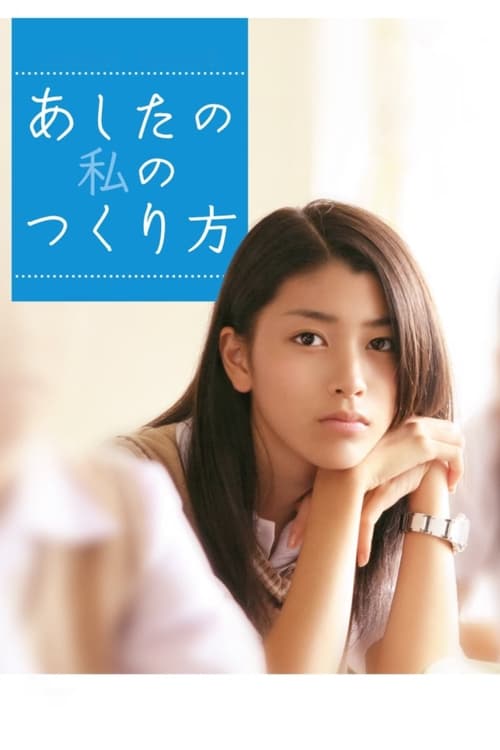
Girls' Encounter
2018
No user ratings available yet
Representation score: 4.7 out of 10
Representation Score
Fair
2007
Director
Jun Ichikawa
Runtime
97 minutes
Average Rating
No ratings yetNew Showbiz Analysis
Jun Ichikawa's drama is a concentrated psychological study that prioritizes internal identity over demographic breadth. It succeeds in centering women's ability to drive the story through a deep dive into the social pressures faced by young girls. However, the film remains culturally and ethnically homogeneous, adhering to a traditional Japanese school setting without multi-ethnic casting. The lack of explicit LGBTQ+ representation or disability depiction limits its multi-layered reach. Ultimately, the film's strength is its deconstruction of the social mask, even if it lacks overt diversity in its character ensemble.
Category Breakdown
The film does not explicitly depict LGBTQ+ identities or relationships outside of straight norms. However, its focus on the struggle between a false and true self offers room for exploring identity fluidity.
The story centers entirely on the female experience and the psychological pressures of social hierarchies. It avoids common clichés by making the internal states of its female protagonists the main drivers of the plot.
Set in a domestic school environment in Japan, the cast appears ethnically homogeneous. The film follows a traditional demographic presentation consistent with its cultural context.
The narrative explores the moral ambiguity of social survival rather than presenting clear-cut morality. It depicts school hierarchies as sources of psychological distress rather than stable community foundations.
The mention of losing sight of one's true self is a psychological metaphor rather than a physical disability. There is no evidence of sensory or physical disability representation.
Present on Screen
Limited or Absent
Official Synopsis
Juri, an elementary school girl, loses sight of her true self while acting out a false self to play along with her friends. Kanako, a classmate who used to be the popular girl but has been bullied lately, tells Juri that the girl she is now is not her true self, and Juri sympathizes.
2018
2010

2017

2001
2019

2015
2016

2014
No reviews yet. Be the first to share your thoughts on this movie!
Use the rating form above to leave a star rating and optional review.