
Summer of the Serpent
2004
No user ratings available yet
Representation score: 4.0 out of 10
Representation Score
Fair
2017
Director
Makoto Nagahisa
Runtime
28 minutes
Average Rating
No ratings yetNew Showbiz Analysis
The film is a focused character study that excels in portraying women's ability to drive the story. By centering the plot on the collective actions of four teenage girls, it subverts traditional hierarchies and grants its protagonists control over their social ecosystem. However, the work lacks significant visibility regarding racial and LGBTQ+ identities. The setting appears culturally homogeneous, and while the group dynamic suggests potential for queer subtext, no explicit representation is confirmed. Ultimately, the film's strength lies in its exploration of adolescent social dynamics and the disruption of institutional order through a shared, unconventional act.
Category Breakdown
The film features a close-knit group of four teenage girls, allowing for the exploration of non-traditional emotional bonds. However, there is no explicit depiction of same-sex intimacy or identity-specific dialogue.
The narrative centers entirely on the ability to act of four teenage girls. These characters act as the primary drivers of the plot, positioning young women as the architects of a significant disruption within a structured school setting.
The film likely depicts a culturally homogeneous Japanese environment consistent with its setting. It does not actively seek to diversify the cast or challenge multi-ethnic norms through intentional multi-layered breadth.
The story explores the tension between individual impulse and systemic order through a symbolic act of defiance. It prioritizes subjective morality over rigid adherence to institutional rules within a coming-of-age framework.
There is no evidence to suggest that disability or neurodivergence serves as a central theme or character trait in this work.
Present on Screen
Limited or Absent
Official Synopsis
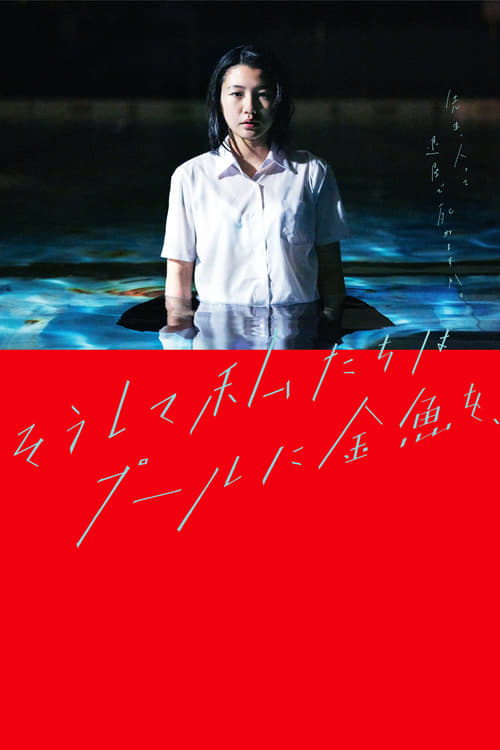
One summer day, 400 goldfish were found in the swimming pool of a secondary school. This is a story about the four 15-year-old girls who put them there.
2004

2008
2012

2005

2007

2016

2018
2024
No reviews yet. Be the first to share your thoughts on this movie!
Use the rating form above to leave a star rating and optional review.