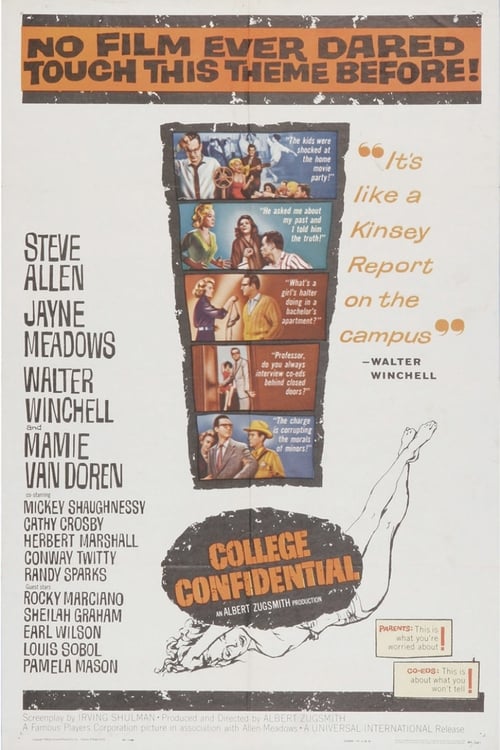
College Confidential
1960
No user ratings available yet
Diversity score: 4.5 out of 10
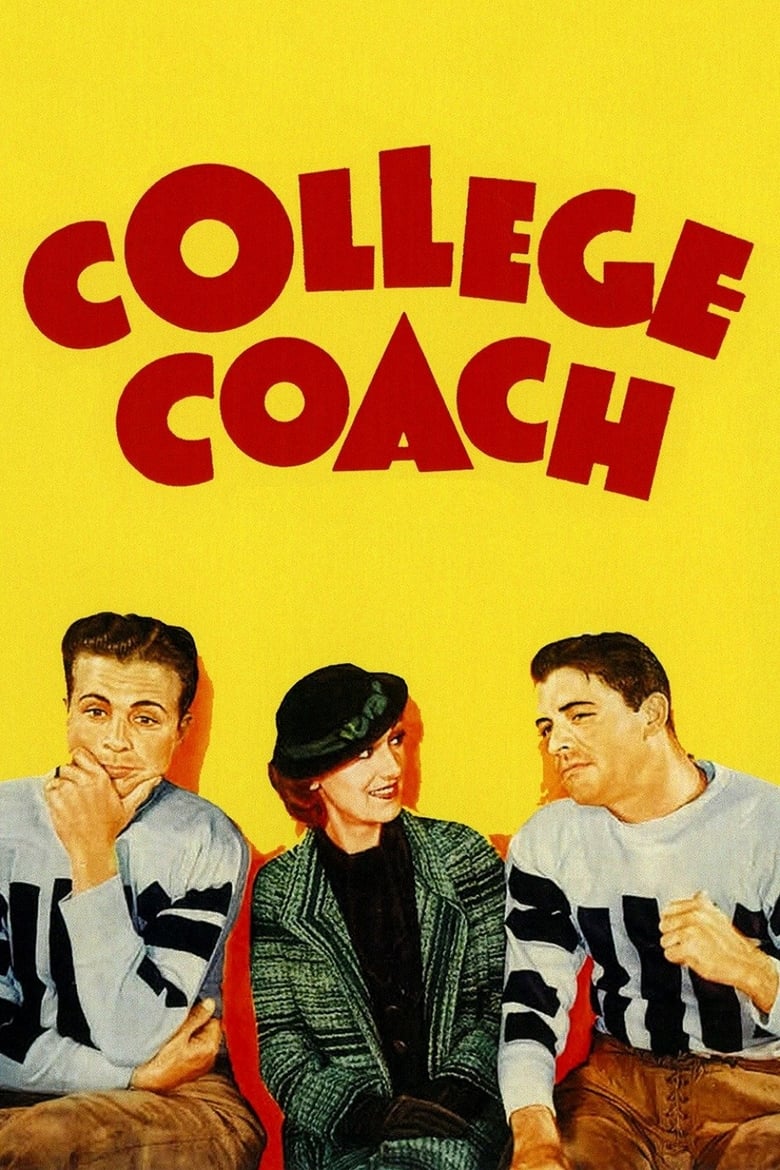
1933
NRDirector
William A. Wellman
Runtime
75 minutes
Average Rating
No ratings yetSynopsis
Ruthless Coach Gore creates turmoil at a college by hiring players and alienating students. Along the way, the coach loses his wife Claire Gore to a grandstanding player. Inside look at college football of the 1930s replete with fake grades, non-student players, and the importance of football to a college's reputation.
Overall Score
Limited
Category Breakdown
LGBTQ+ Representation
The film lacks any evidence of LGBTQ+ characters or non-heteronormative identities. The story follows a traditional heteronormative framework centered on the coach and his wife.
Gender Representation
Women appear as secondary figures within a male-dominated hierarchy. Claire Gore is portrayed as an object of conflict between the coach and a player rather than an independent agent.
Racial & Ethnic Diversity
The film likely reflects the era's lack of racial integration in collegiate athletics. There is no evidence of a diverse cast within the narrative.
Religious & Cultural Diversity
The story critiques institutional corruption through individual moral failings. It focuses on the prestige of football and the impact of fake grades on college reputations.
Disability Representation
There is no information regarding the depiction of physical or neurodivergent disabilities in this film.
Strengths
Areas for Improvement
AI Analysis
College Coach is a product of the early 1930s, deeply embedded in the social and cinematic constraints of its era. The narrative architecture prioritizes traditional masculine hierarchies and institutional prestige over intersectional representation. The film centers on a ruthless coach and the competitive, male-dominated world of college football. This focus results in a lack of diverse identities and places women in subordinate, reactive roles. While the film offers a critique of academic corruption and fake grades, it frames these issues through individual character flaws rather than systemic social commentary.
1960

1952
1939

1953
1931

1927
1940
1951
1929
1919
1934

2007
No reviews yet. Be the first to share your thoughts on this movie!
Use the rating form above to leave a star rating and optional review.