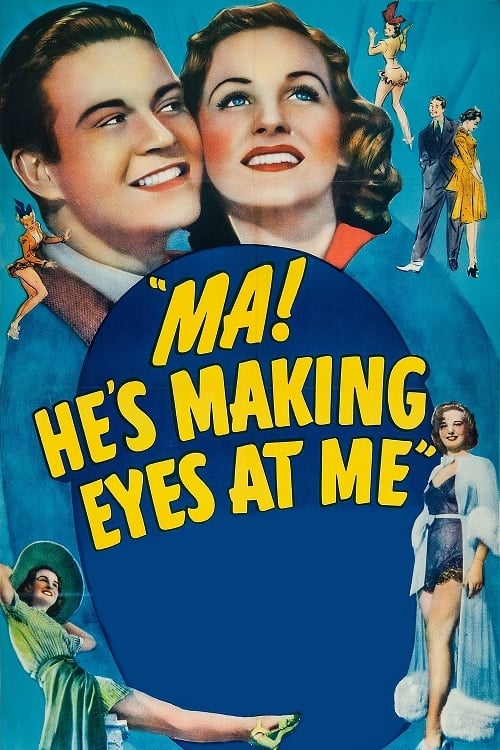
Ma, He's Making Eyes at Me!
1940
No user ratings available yet
Representation score: 1.1 out of 10
Representation Score
Minimal
1950
ApprovedDirector
Richard Sale
Runtime
83 minutes
Average Rating
No ratings yetNew Showbiz Analysis
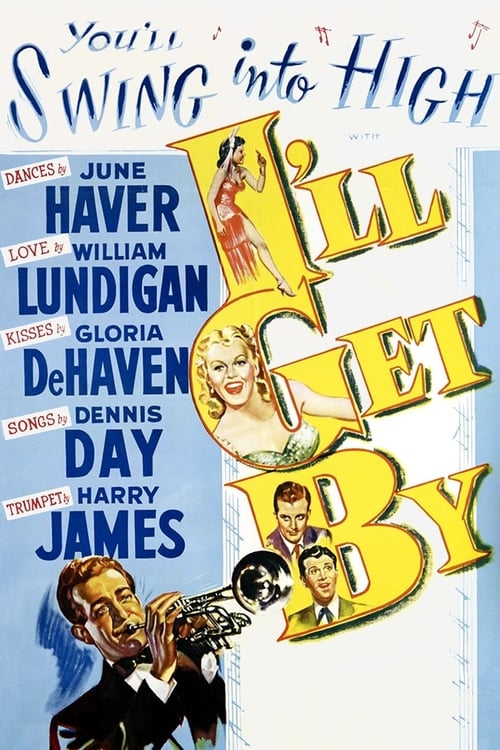
I'll Get By serves as a historical artifact of the mid-century studio system, prioritizing commercial musical comedy over social exploration. The film's structure is built around the stability of existing institutions, such as capitalism and traditional courtship, rather than challenging them. The narrative lacks depth in representing diverse identities, presenting a homogeneous view of professional success. By focusing on established song catalogs and conventional story arcs, the film reinforces the social conformity of its era. Ultimately, the work offers minimal engagement with progressive values, functioning instead as a celebration of mid-century Western social and professional norms.
Category Breakdown
The film focuses solely on traditional heterosexual relationships and does not include any non-cisgender identities or same-sex intimacy.
The narrative emphasizes male professional success and traditional gender roles. Female characters primarily serve as romantic interests or social companions, playing minor roles in driving the story.
The cast is homogeneous, reflecting the era's casting norms. There are no characters of color or racial diversity.
The film upholds traditional Western structures and the commercial music industry. It reinforces conventional notions of professional success and social behavior without questioning these institutions.
There are no characters with visible or invisible disabilities. The film does not use disability or neurodivergence as a narrative device.
Present on Screen
Limited or Absent
Official Synopsis
I'll Get By is an updated remake of the 1940 20th Century-Fox musical Tin Pan Alley. William Lundigan and Dennis Day play William Spencer and Freddie Lee respectively, successful song publishers who make hits out of such numbers as "I Got a Gal in Kalamazoo", "Deep in the Heart of Texas", "You Make Me Feel So Young", "There Will Never Be Another You", and other favorites (the rights to all of these songs were conveniently held by 20th Century-Fox). The partnership has some hard times, especially during the feud between ASCAP and the radio networks, when only public-domain songs like "I Dream of Jeannie" were permitted to be broadcast.
1940
1933
1944
1954
1945
1944
1942
1942
No reviews yet. Be the first to share your thoughts on this movie!
Use the rating form above to leave a star rating and optional review.