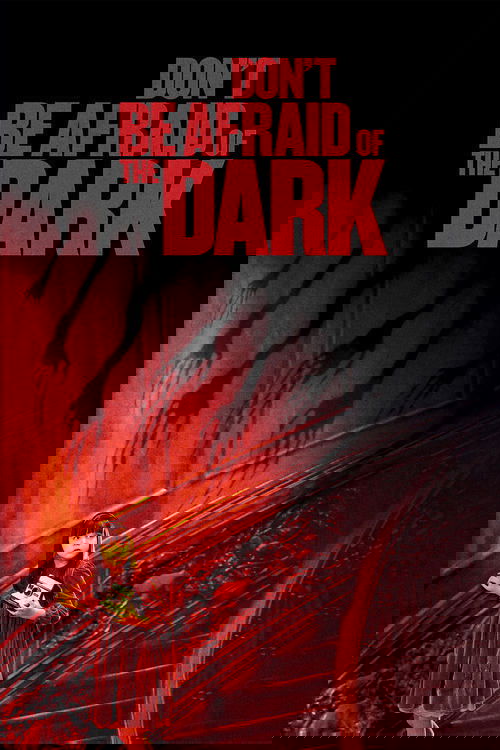
Don't Be Afraid of the Dark
2010
No user ratings available yet
Representation score: 2.9 out of 10
Representation Score
Limited
1980
PGDirector
John Hough, Vincent McEveety
Runtime
83 minutes
Average Rating
No ratings yetNew Showbiz Analysis
The film operates as a traditional supernatural thriller grounded in the demographic norms of its time. It relies on a homogeneous, upper-middle-class family structure that lacks diverse perspectives. While the story grants a significant role in driving the story to its female lead, it fails to challenge broader systemic hierarchies or offer varied racial or cultural viewpoints. The narrative remains firmly within a Western-centric, conventional framework. Ultimately, the film prioritizes genre-driven mystery over inclusive representation, resulting in a narrow social scope.
Category Breakdown
The film does not include any LGBTQ+ characters or explore non-straight relationships. The interpersonal dynamics center around a traditional nuclear and blended family structure.
The story focuses on a young female protagonist named Karen, whose intuition drives the plot. However, the film upholds traditional gender roles for adult figures and does not question patriarchal structures.
The cast and setting are predominantly white, reflecting an Anglo-Saxon, upper-middle-class English environment. There is a noticeable lack of characters of color or racial diversity.
The story follows traditional Western clichés and emphasizes the family unit as the main social anchor. It avoids religious doctrine by presenting the supernatural through mystery.
Themes of psychological distress are used to drive the plot rather than providing nuanced portrayals of mental health issues. The protagonist’s experiences risk using psychological instability merely as an atmospheric device.
Present on Screen
Limited or Absent
Official Synopsis
After an American family moves to an old country manor in rural England, one of the daughters is tormented by the spirit of the owner's long lost daughter, who mysteriously disappeared 30 years ago during a solar eclipse.
2010

1976
2003
1944
2005

1961
2001
1961
No reviews yet. Be the first to share your thoughts on this movie!
Use the rating form above to leave a star rating and optional review.