I Don't Scare
1956
No user ratings available yet
Representation score: 0.4 out of 10
Representation Score
Minimal
1955
ApprovedDirector
Izzy Sparber
Runtime
6 minutes
Average Rating
No ratings yetNew Showbiz Analysis
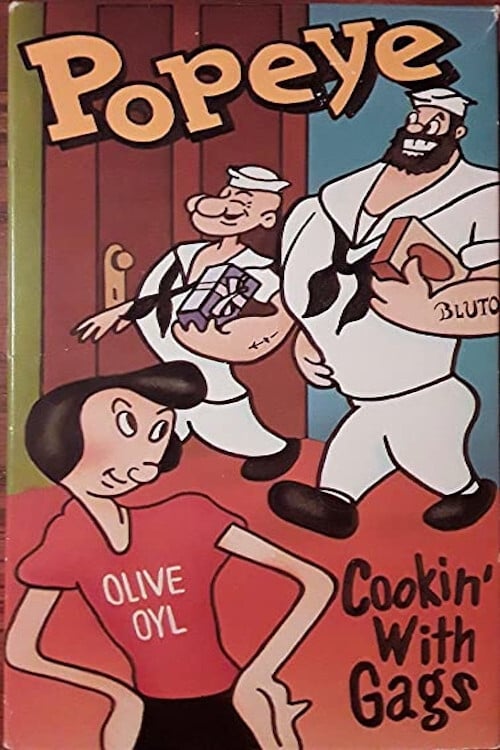
Cookin' with Gags is a product of its time, relying on mid-century slapstick traditions rather than exploring diverse identities. The plot centers on a repetitive cycle of male competition and physical humor. The narrative structure reinforces conventional social hierarchies, prioritizing individual malice and comedic devices over any meaningful exploration of diverse identities or social critiques. Ultimately, the film reflects the standard demographic compositions of 1950s American animation, offering little in the way of modern representation.
Category Breakdown
The story revolves around a traditional love triangle and does not include any queer subtext or non-cisgender identities.
Olive serves mainly as a catalyst for conflict between male characters, reinforcing traditional gender roles and male competition.
The cast is uniform and follows established archetypes, with no indication of racial blending or diverse casting.
The film adheres to mid-century comedic values without critiquing systemic institutions or social norms.
There are no characters with visible or invisible disabilities, and no such themes are explored in the plot.
Present on Screen
Limited or Absent
Official Synopsis
The boys are taking Olive on a picnic. It's April 1, and Bluto plays a series of "jokes" on Popeye, though of course they go beyond the bounds of acceptability, particularly once they get to the picnic grounds; Bluto puts gasoline on the fire he asks Popeye to light and swaps a beehive for the lemonade. Bluto then launches a cruel joke against Olive and frames Popeye. The capper: he replaces Popeye's spinach with a joke can, and runs off with Olive for some canoeing. But Popeye gets the last laugh with an inflatable sea monster.
1956
1954
1947
1956
1957
1934
1954
1938
No reviews yet. Be the first to share your thoughts on this movie!
Use the rating form above to leave a star rating and optional review.