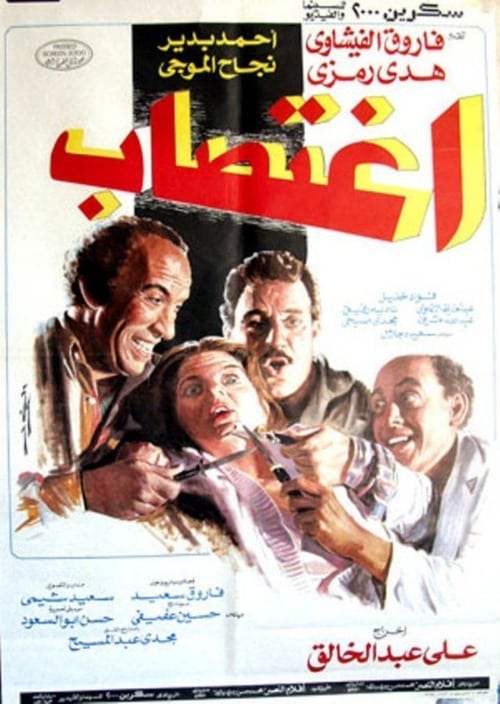
Rape
1989
No user ratings available yet
Diversity score: 4.0 out of 10

1976
Director
Rafael Portillo
Runtime
97 minutes
Average Rating
No ratings yetSynopsis
In Panamá City, a man stalks a well-to-do adolescent, without knowing that she is the daughter he procreated when he raped a woman.
Overall Score
Limited
Category Breakdown
LGBTQ+ Representation
The film lacks LGBTQ+ characters or narratives addressing queer experiences. The central conflict is rooted in traditional, heteronormative dynamics.
Gender Representation
The story centers on a female protagonist experiencing extreme victimization. It reinforces tropes of female vulnerability and male predatory agency rather than subverting gender hierarchies.
Racial & Ethnic Diversity
Set in Panama City, the film operates within a non-Anglo-Saxon context. However, the plot focuses on socioeconomic status rather than explicit racial or ethnic intersectionality.
Religious & Cultural Diversity
The narrative explores the breakdown of the nuclear family through individual tragedy. It lacks a broader systemic critique of institutions or socio-political frameworks.
Disability Representation
There is no information regarding the depiction of physical, neurodivergent, or mental health disabilities in this work.
Strengths
Areas for Improvement
AI Analysis
I Was Raped (1976) functions primarily within the established conventions of 1970s exploitation and drama. The narrative is driven by a singular, harrowing moral event—the stalking of a well-to-do adolescent by her biological father—rather than progressive structural complexity. While the Panamanian setting provides a departure from Western-centric narratives, the film's themes remain focused on individual trauma. It relies on traditional tropes of male predatory agency and female vulnerability, offering little in the way of demographic subversion or intersectional depth.
1989

2023

1987
2013

1986
1973
1975
1993
1994

1986
1995
1985
No reviews yet. Be the first to share your thoughts on this movie!
Use the rating form above to leave a star rating and optional review.