Rape
1989
No user ratings available yet
Representation score: 2.9 out of 10
Representation Score
Minimal
1973
Director
John Hayes
Runtime
75 minutes
Average Rating
No ratings yetNew Showbiz Analysis
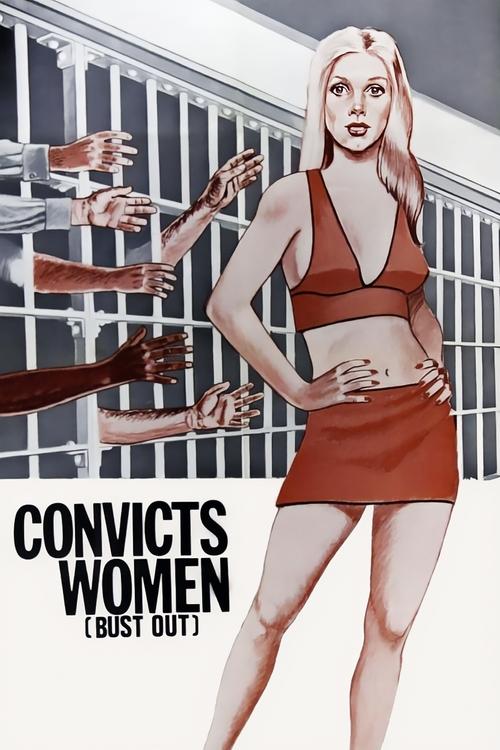
Bust Out is a product of the 1970s exploitation genre, prioritizing sensationalism and grit over social complexity. The narrative structure is built around traditional clichés of victimization, particularly regarding female characters, which limits its depth. The film operates within a very narrow demographic scope. By focusing on homogeneous social units like Catholic school groups and traditional families, it avoids any meaningful representation of different backgrounds. Ultimately, the film serves as a period-specific thriller that relies on the disruption of social decorum. It lacks the elements or diverse perspectives required to move beyond standard genre conventions.
Category Breakdown
The film does not include any visible LGBTQ+ characters or queer narratives. The story focuses solely on heterosexual relationships and traditional interpersonal conflicts.
Female characters are primarily portrayed as vulnerable and victimized. The narrative relies on era-specific clichés rather than giving women intellectual or systemic power.
The setting suggests a homogeneous social environment typical of mid-century Western films. There is no evidence of a diverse cast or racial blending within the character types.
The film uses Catholic institutions and traditional families as backdrops for social breakdown. These settings are framed through chaos and victimization rather than systemic critique.
There is no indication of characters with visible or invisible disabilities. The narrative does not address neurodivergence or physical impairments.
Present on Screen
Limited or Absent
Official Synopsis
The Browns take their Catholic high school students on a picnic. As one student sneaks to her boyfriend, two others seduce escaped convicts who rape the fourth. Buxom Mrs. Brown and her husband fall victims to their prudence.
1989

1995
1967
1972
1970
1973
1976
1979
No reviews yet. Be the first to share your thoughts on this movie!
Use the rating form above to leave a star rating and optional review.