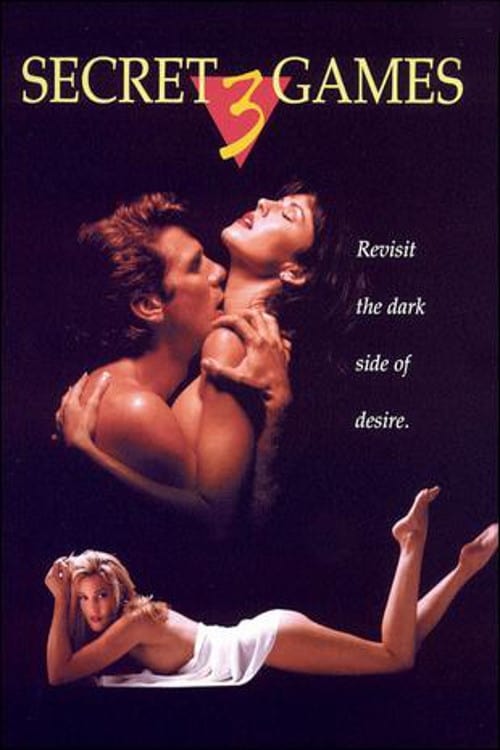
Secret Games 3
1994
No user ratings available yet
Representation score: 1.3 out of 10
Representation Score
Minimal
1995
RDirector
Ross Kagan Marks
Runtime
97 minutes
Average Rating
No ratings yetNew Showbiz Analysis
The film functions as a conventional mid-90s psychological thriller, relying heavily on established genre clichés. The narrative structure centers on obsession and class dynamics between a caretaker and an estate owner, prioritizing these themes over diverse representation. The film lacks indicators of progressive intentions. It relies on traditional gender stereotypes, such as the 'object of desire,' rather than challenging social hierarchies or exploring diverse identities. Ultimately, the work presents a narrow dramatic scope. It focuses on individual psychological conflict without addressing systemic power dynamics or providing visibility for underrepresented groups.
Category Breakdown
The film does not include any characters with non-heterosexual identities or same-sex relationships. There is no critique of the assumption that everyone is straight or cisgender.
The story relies on traditional gender roles, featuring a 'sexy television star' and an obsessed male character. This suggests a reliance on conventional gender stereotypes.
The narrative does not indicate a non-white majority or casting actors from diverse racial backgrounds. There is no evidence of proactive racial diversity.
The plot focuses on individual psychological drama and class tension. It operates within traditional storylines rather than critiquing specific cultural or religious institutions.
There is no mention of characters with neurodevelopmental conditions or physical disabilities. The film lacks representation for these communities.
Present on Screen
Limited or Absent
Official Synopsis
The young caretaker at the estate of a reclusive woman develops a dangerous obsession with her daughter, a sexy television star. Unexpected twists and turns.
1994
1976

1995

1971

2023

2010

1996

2005
No reviews yet. Be the first to share your thoughts on this movie!
Use the rating form above to leave a star rating and optional review.